Sleeping through menopause shouldn’t feel like a nightly guessing game.
If you’re waking up at 3 AM, struggling to fall back asleep, or wondering why your old sleep strategies no longer work, there may be more going on than you think.
In this episode, discover the connections between hormonal changes, histamine, gut health, and nighttime waking. Traditional sleep hygiene advice may not be enough and how targeted lab testing can help uncover potential factors behind persistent sleep struggles.
It’s time to look beyond another sleep tip and explore what may be standing between you and sleeping through menopause
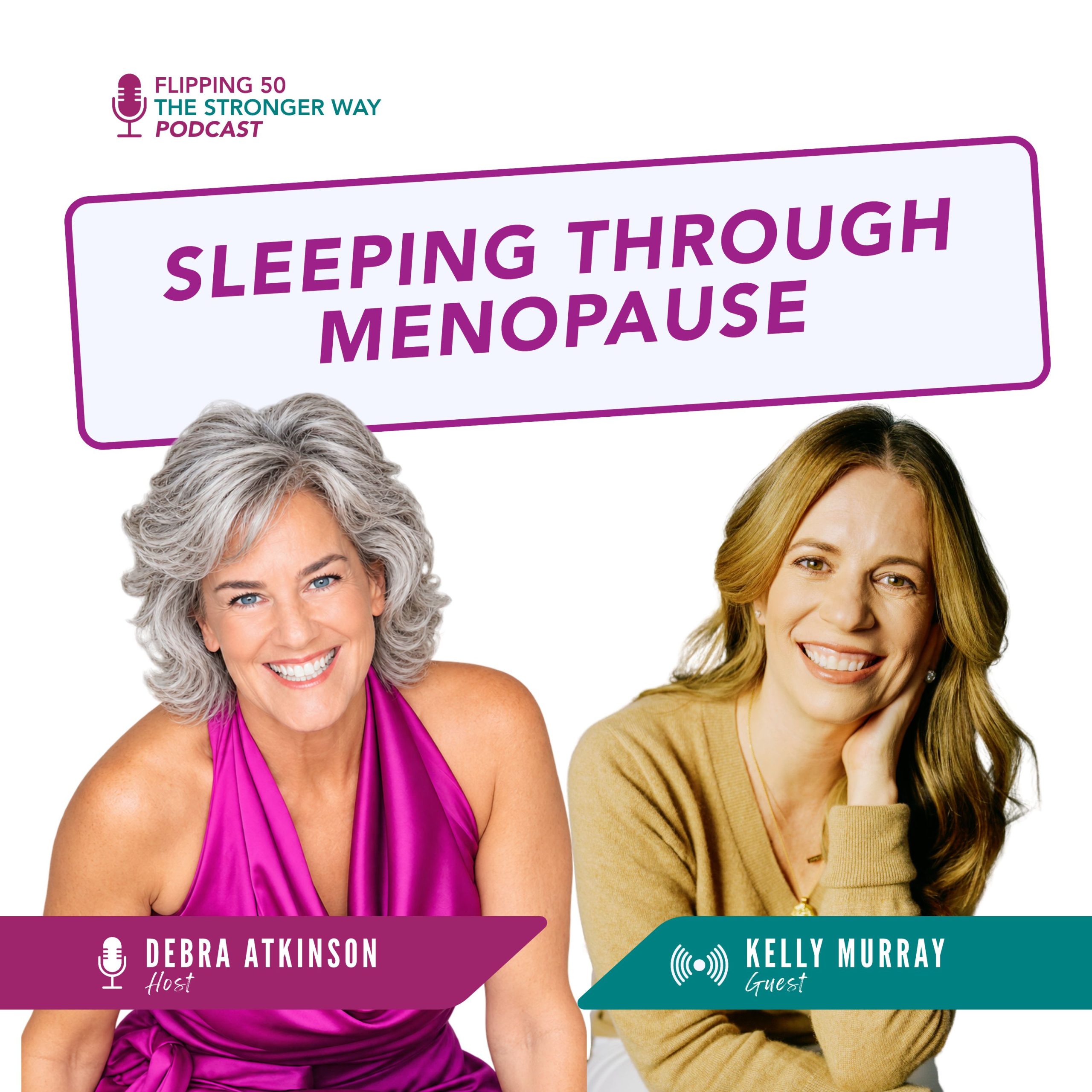
My Guest:
Kelly Murray is a Certified Adult Sleep Coach and Functional Diagnostic Nutrition Practitioner who specializes in helping midlife women identify and address the functional root causes of insomnia. With over 15 years in women’s health, Kelly combines behavioral sleep coaching with functional lab protocols to give women answers when “good sleep hygiene” has stopped working. She is the author of Sleeping Through the Change: The Midlife Woman’s Guide to Outsmarting Insomnia (December 2026)
Questions We Answer in This Episode:
- [00:09:52] Why does menopause disrupt sleep, and how are hormonal changes involved?
- [00:11:43] What are some possible reasons women wake up between 1 and 3 AM?
- [00:13:30] How can you tell if histamine is contributing to your sleep problems, and what testing can identify it?
- [00:14:34] How can you lower histamine and identify the triggers that may be affecting your sleep?
- [00:18:32] What is H. pylori, how can it affect gut health, and how is it addressed?
- [00:23:22] Why might conventional medicine and functional medicine approach menopause-related sleep problems differently?
- [00:26:20] Why might traditional sleep advice not be enough to address insomnia during menopause?
Sleeping Through Menopause And Finding Answers Behind Those 3 AM Wakeups
When Occasional Sleeplessness Becomes Insomnia
- Insomnia is difficulty sleeping more than 3 days a week for longer than 3 months, with daytime functioning affected.
- Chronic sleep disruption can affect more than energy. It can interfere with exercise, relationships, patience, social activities, and overall quality of life.
Menopause Changes the Way You Sleep
- Declining progesterone and estradiol can influence neurotransmitters involved in brain activity and circadian rhythm regulation.
- Hormonal changes can make women less resilient to stress, particularly during a life stage when career, family, and caregiving responsibilities may already be demanding.
- Better sleep during menopause requires looking beyond conventional sleep hygiene and considering what’s happening physiologically.
Why You’re Waking Up Between 1 and 3 AM
- Blood sugar fluctuations may trigger a fight-or-flight response, prompting cortisol release that can contribute to nighttime waking.
- Once awake, worrying about not being able to fall back asleep can prolong the disruption.
- Histamine naturally rises in the early morning, while progesterone helps break it down.
- Lower progesterone levels may make histamine regulation more challenging for some women.
Histamine: The Overlooked Connection to Sleep and Anxiety
- Histamine is an excitatory neurotransmitter that can influence alertness and the nervous system.
- An increased histamine burden may be associated with sleep disruption, itchy skin, seasonal allergies, and anxiety.
- Histamine can be investigated through blood testing, although sample handling is important for accurate results.
Sleeping Through Menopause By Understanding Hormones Histamine And Gut Health
What Can Increase Your Histamine Burden?
- Alcohol, particularly wine and champagne, can contribute to histamine exposure.
- Leftovers stored in the refrigerator for more than 24 hours may accumulate histamine.
- Freezing prepared meals and thawing portions as needed can be a practical alternative to eliminating meal prep.
- Certain supplements discussed include vitamin C, quercetin, and stinging nettle.
Estrogen Metabolism, HRT, and the DUTCH Test
- Estradiol can influence histamine levels, making estrogen metabolism another area worth investigating.
- Kelly explains why she looks at estrogen metabolism rather than automatically recommending that women discontinue hormone replacement therapy (HRT).
- The DUTCH test is discussed as a way to examine estrogen metabolism, including Phase 1 and Phase 2 detoxification pathways.
- When potential imbalances are identified, lifestyle and supplementation strategies may be considered with appropriate professional guidance.
Gut Health, H. pylori, and Sleep Disruption
- H. pylori is a pathogenic bacterium that can affect stomach acid and interfere with nutrient absorption. It has potential connections with iron deficiency, anxiety, histamine issues, and sleep disruption.
- Iron deficiency may further complicate sleep and anxiety symptoms.
- H. pylori testing and broader gut health assessments may help identify issues that otherwise go unnoticed.
- Gut health is worth considering when recurring sleep problems don’t respond to conventional strategies.
Conventional Medicine vs. Functional Medicine
- Conventional medicine generally focuses on identifying and diagnosing disease.
- Functional medicine often investigates potential dysfunctions, imbalances, deficiencies, and stressors that may affect overall health.
- Both approaches can have a role in understanding menopause-related sleep problems.
- Practitioners who combine conventional medical training with functional medicine education may be better positioned to connect testing, interpretation, and appropriate treatment options.
Sleeping Through Menopause With Lab Testing That Uncovers Hidden Sleep Disruptors
Why Traditional Sleep Hygiene May Not Be Enough
- Sleeping in a cool, dark room, reducing screen exposure, and managing stress can support better sleep.
- However, these strategies may not address the hormonal and physiological changes occurring during menopause.
- If declining estrogen and progesterone are contributing to sleep disruption, addressing those underlying factors may be necessary.
- Women need a more comprehensive approach that considers both sleep habits and their changing physiology.
Sleep Improvements Don’t Always Last
- Getting sick, traveling, or experiencing new stressors can temporarily disrupt even well-established sleep patterns.
- A history of insomnia can create fear and hypervigilance around bedtime.
- When nighttime becomes associated with frustration or anxiety, the anticipation of not sleeping can become another obstacle.
- Retraining the brain to view nighttime as safe rather than threatening is an important part of rebuilding confidence around sleep.
- H. pylori recurrence and changing HRT needs are other potential reasons previously resolved sleep problems may return.
- HRT isn’t necessarily a set-it-and-forget-it situation. Ongoing monitoring and adjustments may be needed.
Sleep Support Strategies Worth Considering
- Magnesium
- Essential oils
- Epsom salt baths
- Avoiding caffeine in the afternoon
- Limiting or eliminating alcohol
Connect with Kelly:
- Website – Kelly Murray
- Instagram – @kellymurrayadultsleep
Beyond Sleep Hygiene A Fresh Approach To Sleeping Through Menopause
Connect with Flipping 50:
- Website – Flipping 50
- Instagram – @Flipping50TV
- YouTube – @Flipping50TV
- Facebook Group – Flipping50 Insiders
- More Episodes – Flipping 50 The Stronger Way
Other Episodes You Might Like:
- Previous Episode – Can Strength Training and HIIT Help Menopause Brain Fog?
- More Like This – Can’t Lose Belly Fat After Menopause? Your Sleep May Be Why
Resources:
- Work with Debra with an Ultimate Assessment
- FLIP Menopause program – Join the next live cohort
- Measure what matters using the Flipping 50 Strong Aging Index
- Hot Off The Press! The science for staying strong.
- Understand how sleep relates to your hormones with Flipping 50 Sleep Yourself Strong