Strength training for menopause brain fog is doing more for your brain than you think.
Brain fog, trouble finding the right words, forgetfulness, and difficulty concentrating can become frustrating during perimenopause and menopause.
But what if your workout could do more than build muscle and support metabolism? What if it could also support the way you think, learn, remember, and make decisions?
Emerging research is exploring the connection between resistance training, high-intensity interval training (HIIT), and cognitive function in midlife and postmenopausal women.
Let’s break down the research on how strength training for menopause brain fog could become part of your strategy for staying strong, sharp, and thriving through midlife and beyond.
Questions We Answer in This Episode:
- [00:01:46] How can exercise influence brain function, focus, and mental clarity during menopause?
- [00:05:30] What did a nine-month strength training study reveal about cognitive function in perimenopausal and early postmenopausal women?
- [00:07:45] Which cognitive skills may improve with strength training, including verbal recall and the ability to shift between tasks?
- [00:09:10] What is BDNF, and how might exercise and HIIT influence this important brain-related protein?
- [00:10:03] Can one interval training session improve memory and working memory, and what do the studies actually show?
- [00:13:55] Could doing interval training before mentally demanding work help you focus, plan, and make decisions?
- [00:15:50] What does a practical interval workout look like, and how can you experiment with exercise timing and intensity to find what works for you?
Strength Training for Menopause Brain Fog and Better Memory After 50
Finding Your Exercise Sweet Spot for Better Brain Function
- Regular exercise can help support mental clarity and the ability to focus.
- More exercise isn’t necessarily better. Excessively long endurance workouts can leave you mentally depleted rather than energized.
- Shorter workouts, walks, and strength sessions may help improve focus without creating excessive fatigue.
A 9-Month Strength Training Study Reveals About Menopause and Cognition
- A September 2026 study published in BMC Medicine examined strength training and cognitive function in women ages 45–60.
- Sub-study included 35 women in perimenopause or early postmenopause.
- supervised resistance training program 2x weekly for 9 months.
- preparation and gradual increases in training loads before progressing to heavier resistance.
- Key takeaways from the study:
- Cognitive improvements differed depending on reproductive stage:
- Perimenopausal women: Improved late verbal recall, an ability associated with remembering information after a delay.
- Early postmenopausal women: Improved set shifting, the ability to adapt when circumstances, rules, or plans change.
- Not every cognitive measure improved significantly.
How Improved Memory and Set Shifting Show Up in Everyday Life
- Cognitive abilities isn’t just about remembering names or avoiding forgetfulness. It also involves the ability to adapt, organize information, and make decisions.
- Delayed verbal recall helps with remembering important details from conversations after time has passed.
- Set shifting helps you adjust when a meeting gets canceled, a budget changes, or an original solution no longer works.
Can HIIT and Strength Training for Menopause Brain Fog Improve Focus
BDNF: The Connection Between Exercise, Learning, and Brain Health
- BDNF: brain-derived neurotrophic factor.
- It plays a role in supporting neurons and neuroplasticity, the nervous system’s ability to adapt and form connections associated with learning.
- Sometimes described as fertilizer for the brain, although this is a metaphor rather than a literal explanation.
- Scientists can measure BDNF in the blood, but blood measurements don’t tell us exactly how much BDNF is released in a particular brain region.
- Higher circulating BDNF doesn’t automatically mean better cognitive performance.
Can One HIIT Session Improve Brain Function?
- A 2025 study had 63 postmenopausal women examined in a single 30-minute interval exercise session, with comparisons involving whole-body vibration and rest.
- The exercise session increased serum BDNF and improved performance on a visuospatial working memory task.
- However, changes in BDNF and cognitive performance were not significantly correlated.
- This means the study did not establish that the BDNF increase caused the improvement.
- A 2023 study of 12 physically active adults, included both men and women, but not specific to menopause
- found that brief cycling intervals produced a greater circulating BDNF response than prolonged light cycling.
- Another randomized crossover trial involving 29 postmenopausal women
- found that interval cycling increased prefrontal brain oxygenation but did not improve memory or executive function test performance compared with the control condition.
Strength Training for Menopause Brain Fog What New Research Reveals
Why Shorter, More Vigorous Exercise May Be Worth Exploring
- Some research suggests that shorter, more intense exercise can produce a greater circulating BDNF response than prolonged, light activity.
- However, a higher BDNF response doesn’t prove that a short workout will improve your work performance or solve menopause-related brain fog.
- Women who dislike intervals or feel depleted after them can choose other forms of movement.
- The appropriate exercise intensity depends on individual fitness, stress levels, and recovery capacity.
- HIIT isn’t a requirement for better brain health. The most useful exercise is one your body can tolerate, recover from, and perform consistently.
How to Schedule Exercise Before Mentally Demanding Work
- Consider placing an existing exercise session before a block of work that requires concentration and decision-making.
- Allow your breathing and body to settle before beginning mentally demanding activities.
- Potential applications include:
- Planning and prioritizing business projects.
- Solving problems and evaluating different solutions.
- Reviewing budgets and comparing financial options.
- Creating treatment, coaching, or teaching plans.
- Writing presentations and organizing research.
- This is a practical experiment informed by the research, not a proven exercise-to-work prescription.
- The goal is to determine whether exercise timing helps you feel more mentally prepared.
What Menopause Research Says About Strength Training for Menopause Brain Fog
A Practical Interval Training Example for Supporting Mental Clarity
- For women who already tolerate vigorous exercise:
- Begin with a five-minute gradual warm-up.
- Complete four rounds of 30-second vigorous intervals.
- Follow each interval with approximately 90 seconds to two minutes or longer of recovery, depending on individual needs.
- Finish with three to five minutes of easy movement.
- The complete session takes approximately 16–18 minutes, depending on recovery time.
- The total vigorous work is only two minutes.
- Beginners should first establish a comfortable walking or cycling foundation.
- If vigorous exercise isn’t appropriate, use an existing, suitable movement session instead.
- Important distinction: This is a coaching example, not a replication of a research protocol or a scientifically established BDNF prescription.
How to Test Whether Exercise Improves Your Focus
- Choose a mentally demanding task lasting approximately 30–60 minutes.
- Compare similar work sessions on different days.
- Before each session, rate your mental clarity and fatigue on a scale of 0–10.
- Keep the time of day and type of work as consistent as possible when comparing results.
- Silence notifications and define a specific outcome before starting.
- Allow adequate recovery and cooling down after exercise before sitting down to work.
- Pay attention to how you feel afterward:
- Improved clarity and concentration are useful observations.
- Headaches, fatigue, or feeling scattered may indicate that the workout was too intense or that more recovery is needed.
- Don’t introduce a new, demanding workout immediately before an important presentation or high-stakes event.
- Your response is valuable information. Experiment with exercise timing and intensity rather than assuming that a particular workout will improve cognition for everyone.
Build Better Focus and Memory With Strength Training for Menopause Brain Fog
Exercise Timing, Recovery, and Your Daily Energy
- Exercise can become part of a personal preparation routine when it helps you feel focused and ready.
- Women who experience sleep difficulties after late-day workouts may benefit from scheduling harder sessions earlier.
- Regular exercise may also help support stress resilience and a calmer mental state.
- Exercise timing should account for your energy, recovery, and sleep patterns, not just the workout itself.
Why Brain Health Is Another Reason to Prioritize Strength Training
- Consistent training and the effects of a single workout are two different considerations.
- Regular exercise may support how you think, respond, and function over time.
- An individual session may help you feel more alert and focused, although the response varies.
- Exercise deserves attention beyond the number on the scale, physical appearance, or how much weight you can lift.
- Cognitive abilities such as learning, organizing, remembering, and staying engaged are also important measures of healthy aging.
- Try scheduling an appropriate workout before a work block that deserves your best attention, then evaluate your response..
Nutrition and Assessing Your Fitness Beyond the Scale
- Nutrition is another consideration when supporting energy, mood, and cognitive function.
- Focus on protein and include some carbohydrates while being mindful of high-fat meals, excessive carbohydrates, processed foods, and sugar.
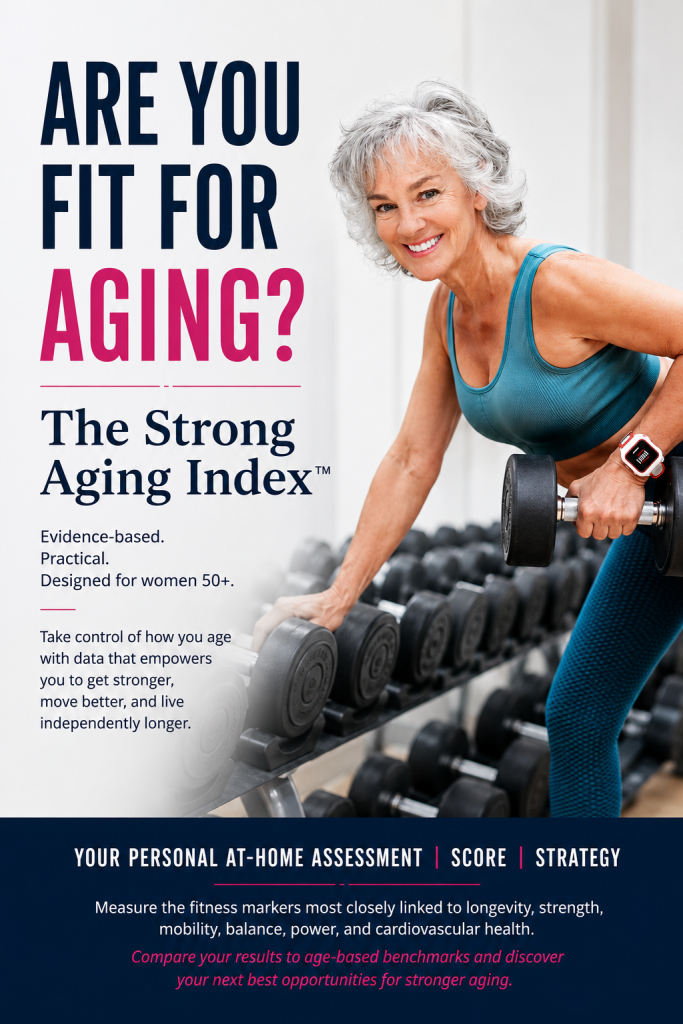
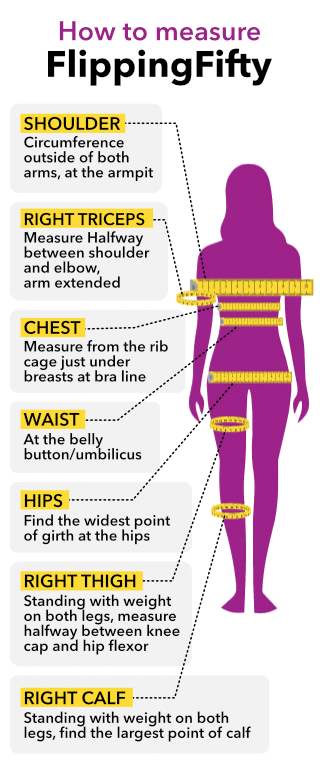
- The Strong Aging Index is a practical way to assess different areas of physical fitness.
- The assessment can be completed at home with little or no equipment for many of its measures.
- Areas evaluated include:
- Strength
- Power
- Mobility
- Stability
- Cardiovascular fitness
- Comparing results with established norms can help identify opportunities for improvement and set meaningful fitness goals.
Discover How Strength Training for Menopause Brain Fog May Support Memory
Connect with Flipping 50:
- Facebook Group – Flipping50 Insiders
- Instagram – @Flipping50TV
- YouTube – @Flipping50TV
- More Episodes – Flipping 50 The Stronger Way
References:
- BMC Medicine. 2026, DOI:10.1186/s12916-026-05258-0.
- Biological Psychology. 2025, PMID: 40209895.
- The Journal of Physiology. 2023, PMID: 36631068.
- The Journal of Physiology. 2024, DOI:10.1113/JP287154.
- Experimental Physiology. 2026, PMID: 40448657.
- Behavioural Brain Research. 2021, PMID: 34274372.
Other Episodes You Might Like:
- Previous Episode – A Midlife Guide to Fatigue and Weight Loss After 50
- Next Episode – Sleeping Through Menopause: Lab Testing for Answers (and Rest!)
- More Like This – The Link Between Creatine, Brain Health & Longevity
Resources:
- Work with Debra with an Ultimate Assessment
- FLIP Menopause program – Join the next live cohort
- Measure what matters using the Flipping 50 Strong Aging Index
- Hot Off The Press! The science for staying strong.
- Understand how sleep relates to your hormones with Flipping 50 Sleep Yourself Strong
If this episode made you flip your workout routine — share it!
👉 Post to your stories, tag @Flipping50TV in Instagram and share the episode to your best friend.
👉 Meet other women, who are done with outdated fitness advice, at Flipping50 Facebook Group.
👉 Subscribe, share, and leave a review if you’re ready to flip the script on Flipping 50 The Stronger Way.