Should you do cardio after strength training?
How much protein do you really need to build muscle after 50?
If you’ve ever wondered whether cardio is interfering with your strength gains—or whether you need to eat more protein to see results—this episode will help you look beyond the headlines.
Let’s dive into the research on strength training, cardio, and protein intake in women ages 40–77. Make smarter decisions about your workouts based on your individual goals.
When it comes to fitness after 50, the goal isn’t to follow every new trend. It’s to understand what works for you — cardio after strength training, or should you do cardio then lift the weights?
Questions We Answer in This Episode:
- [00:00:00] What research reveals about doing cardio after strength training.
- [00:00:00] How strength training and cycling affected strength, aerobic fitness, and body composition in one study?
- [00:00:00] Did higher assigned protein targets improve estimated muscle mass?
- [00:00:00] Why should your primary fitness goal determine how you organize your workouts?
- [00:00:00] Why doesn’t the study prove that cardio damages muscle or that more protein is always better?
- [00:00:00] How to approach cardio, strength training, and walking without unnecessarily complicating your routine?
Cardio After Strength Training and What Women Over 50 Need to Know
What Did the Research Find?
A study published in September 2026 examined whether combining strength training with cycling—and varying protein intake—would influence fitness outcomes in women ages 40–77.
Key Findings:
- The study included 108 women, assigned to 12 weeks of strength training alone or strength training followed by cycling.
- Three protein targets were tested: 0.8, 1.6, or 2.2 grams of protein per kilogram of body weight.
- The cycling-plus-strength group showed an estimated aerobic fitness advantage.
- Body fat percentage was approximately two percentage points lower: The adjusted estimate favored the group that combined cycling with strength training.
- Strength training alone showed an estimated leg-press strength advantage.
- Higher assigned protein targets did not produce a detectable difference in estimated skeletal muscle mass.
What this means for women over 50
- Cardio and strength training serve different purposes.
- Strength training remains important when improving strength is the priority.
- Different exercise combinations may produce different outcomes, so your training strategy should reflect what you’re trying to achieve.
Should You Do Cardio After Strength Training for Better Midlife Fitness?
Protein After 50: Is More Always Better?
The researchers assigned participants to three daily protein targets:
- 0.8 g/kg: The baseline recommendation discussed in the episode.
- 1.6 g/kg: A higher target within the range Debra describes as commonly discussed by protein experts.
- 2.2 g/kg: The highest target tested in the study.
What the findings mean:
- Your current diet, training program, and goals all matter when considering your protein needs.
- Researchers did not detect an advantage in estimated skeletal muscle mass from the higher assigned protein targets.
- This does not establish that all three protein intakes are equally effective for every person.
- It also does not prove that protein intake is unimportant for women in midlife and beyond.
- The study did not establish an optimal protein intake for every woman.
Why Your Fitness Goals Should Determine Your Workout Plan
- Choose your priority.
Are you trying to build strength, improve aerobic fitness, change body composition, or achieve several goals at once? - Understand that progress can look different.
Better energy, improved sleep, and changes in measurements may occur before you see a change on the scale. - Don’t rely on weight alone.
An increase in muscle mass can affect body weight, so the scale may not tell the whole story. - Evaluate the right outcomes.
Track measurements that relate to your actual goals instead of relying on one number to determine whether your program is working. - Seek coaching when needed.
If you’re unsure which outcome to prioritize, a qualified coach can help you clarify your goals and develop a suitable plan.
Does Cardio After Strength Training Help Women Over 50 Burn Fat?
Should You Separate Cardio and Strength Training?
- Include both cardiovascular exercise and resistance training in your overall weekly routine.
- Separate them when you have limited energy or want to protect the quality of each session.
- Prioritize the training component most closely connected to your main goal.
- Avoid assuming that this study establishes a specific waiting period between workouts.
- Your schedule and recovery affect your ability to train consistently.
Fat Loss After 50: Why Building Muscle Matters
- Prioritize quality strength training
- Think beyond the workout itself
- Consider everyday movement
- Track outcomes that match your goals
- Challenge old assumptions
A Practical Compromise: Walking After Strength Training
- Consider placing higher-intensity cardio on alternate days from strength training, approximately two to three days per week, according to your ability and recovery.
- Include walking as part of your everyday movement routine.
- If you have the time and energy, try 10–20 minutes of comfortable walking after a strength-training session.
- An incline treadmill, cycle, or elliptical may be an alternative, provided the intensity remains appropriate for your goal.
- Avoid turning a strength workout into a long endurance session if doing so leaves you excessively fatigued or compromises recovery.
Measure What Matters
- Identify your primary fitness goal for the next few months.
- Evaluate your current strength-training routine.
- Review how cardiovascular exercise fits into your weekly schedule.
- Assess whether your current protein intake supports your needs and goals.
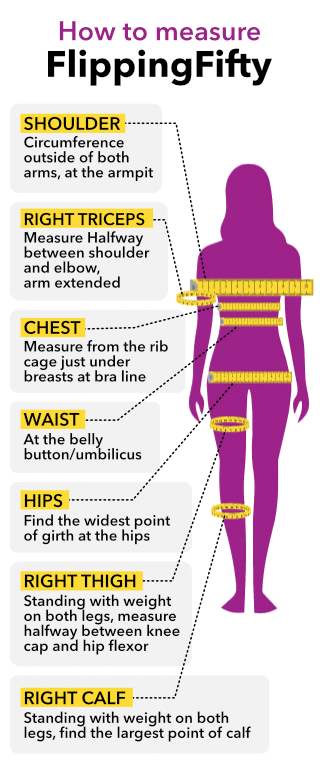
- Choose meaningful measures of strength, cardiovascular fitness, and body composition.
- Evaluate your energy and recovery as you follow your plan.
- Make adjustments based on your progress rather than reacting to every new headline.
Cardio After Strength Training and What New Research Reveals For Fat Loss, Muscle Gain and Protein
Connect with Flipping 50:
- Facebook Group – Flipping50 Insiders
- Instagram – @Flipping50TV
- YouTube – @Flipping50TV
- More Episodes – Flipping 50 The Stronger Way
References:
- Journal of the International Society of Sports Nutrition. 2026, PMID: 42735207.
Other Episodes You Might Like:
- Previous Episode – Is Your Nervous System Holding You Back? HRV, Stress, and Recovery in Midlife
- Next Episode – The C-Section Hangover that Shows Up as Back Pain or Painful Seggs in Menopause
- More Like This:
Resources:
- Work with Debra with an Ultimate Assessment
- Flipping 50 App on iOS App Store & Google Play
- Questions / Contact Debra on Instagram or Facebook Group
- FLIP Menopause program – Join the next live cohort
- Flipping 50 Master class – Choose your session here
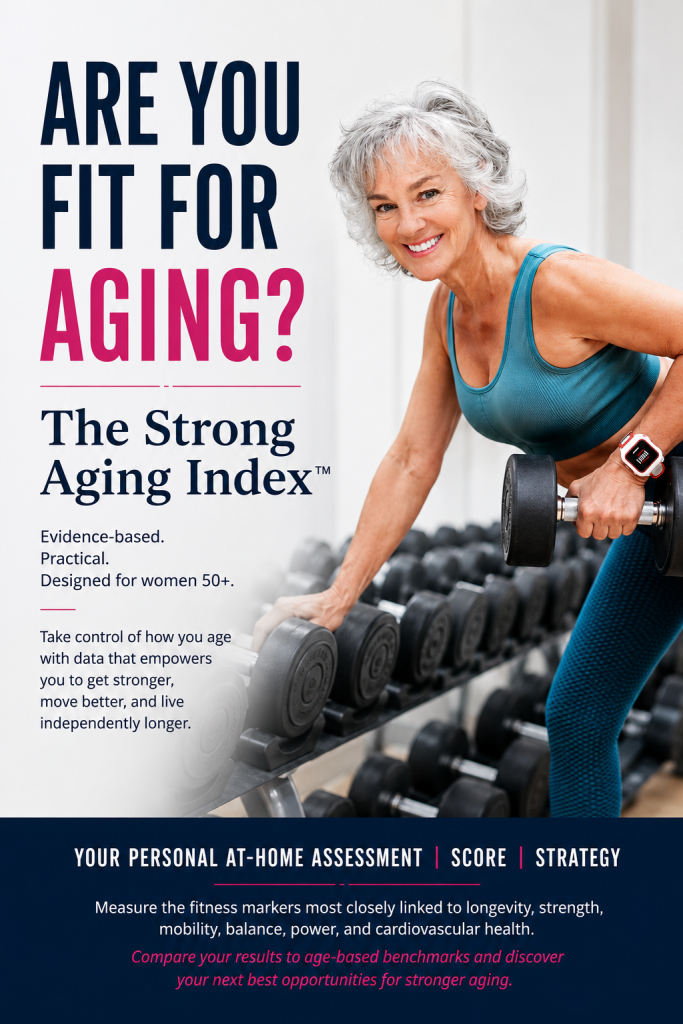
Easy At-Home Self-Assessment Test – Flipping 50 Strong Aging Index
Hot Off The Press! The science for staying strong.
If this episode made you flip your workout routine — share it!
👉 Post to your stories, tag @Flipping50TV in Instagram and share the episode to your best friend.
👉 Meet other women, who are done with outdated fitness advice, at Flipping50 Facebook Group.
👉 Subscribe, share, and leave a review if you’re ready to flip the script on Flipping 50 The Stronger Way.