
Weight loss and longevity don’t always point in the same direction—especially after menopause.
You can make the scale go down, but what if the strategy getting you there is costing you muscle, strength, or future independence?
From intermittent fasting and body composition to social media and the pressure to look a certain way, this episode takes a closer look at what may be driving your weight-loss goals.
If you care about weight loss and longevity, it may be time to stop asking how small you can get and start asking how strong you can stay.
Questions We Answer in This Episode:
- [00:05:15] Could social media be fueling your body dissatisfaction?
- [00:17:21] Are you really pursuing longevity—or approval?
- [00:18:04] Would you choose a longevity strategy if it meant gaining 10 pounds?
- [00:20:01] What can extreme fasting and restriction cost you?
- [00:21:04] Why can the scale stop moving when you’re getting stronger?
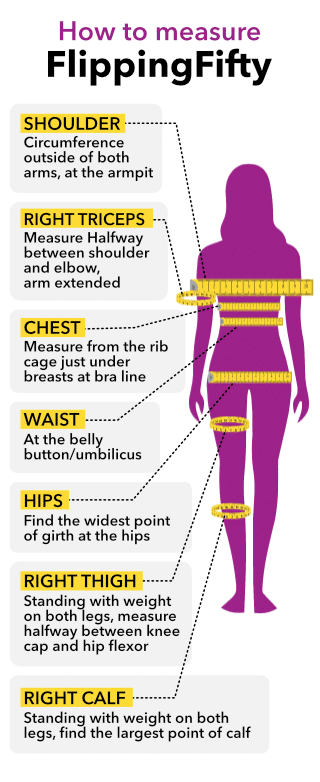
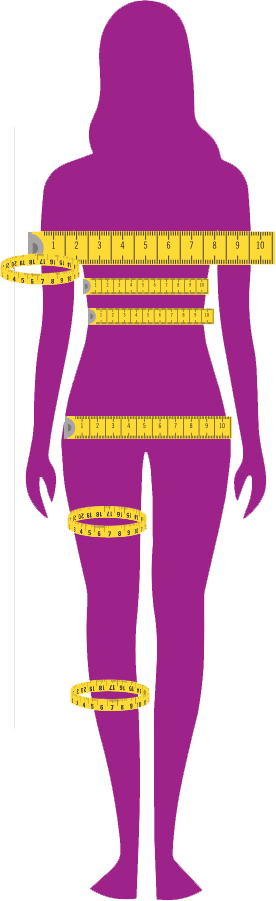
- [00:26:44] What should you measure instead of your size?
You can get smaller, drive the scale down. But does the strategy that produces the smallest version of you also produce the strongest, most resilient, metabolically healthy 70-, 80-, and 90-year-old version of you?
I think we all have a dirty little secret.
- We criticize celebrity thinness.
- We say we’re worried.
- We say it’s unhealthy.
- We say women shouldn’t have to look like that.
And yet somewhere inside many of us is a tiny voice asking:
“How did she do it?”
“Could I do it?”
“Would I be happier if I looked like that?”
What Women Over 50 Need To Rethink on Weight Loss and Longevity
Thinness Is Still a Status Symbol
The culture changed its language.
It didn’t change its values.
The desire to be smaller can still show up underneath the surface.
“I want to be healthier.”
But sometimes what that really means is:
“I want to weigh less.”
“I want to do it for longevity.”
But sometimes underneath that is:
“I want a body that gets attention, approval, or noticed.”
That distinction matters—especially when the strategy used to reach the goal could compromise muscle, strength, or future independence.
Social Media Wasn’t Built to Make You Feel Good
One of the strongest findings across the literature is that appearance comparison predicts body dissatisfaction.
The more frequently women compare their appearance with people they see on social media, the more body dissatisfaction and pressure around thinness can follow.
The mechanism isn’t social media.
It’s comparison.
Before breakfast, you could be comparing yourself to:
- celebrities
- fitness influencers
- filtered photos
- edited videos
- AI-generated bodies
AI Broke the System
For decades, we compared ourselves to real women.
Now, we’re comparing ourselves to women who don’t exist.
I already see this with clients. They send a photo. That’s what I want to look like.
I immediately know:
- “That waist isn’t real.”
- “Those proportions aren’t real.”
- “Those shoulders don’t match that torso.”
- “That image is AI.”
The brain still processes it as a standard.
The rational brain says, “That’s fake.”
The emotional brain says, “Why don’t I look like that?”
This isn’t just young women caught up in looks, appearances, mating rituals. It’s women of all ages and stages. It can strike women in midlife transitioning out of hormones just as hard as it did when they transitioned in.
Why Muscle Matters More on Weight Loss and Longevity After Menopause
The Fitness Industry Accidentally Reinforces It
Trainers and coaches know that appearance gets attention. Clothing, photos, bodies, before-and-after transformations, and carefully curated images can all increase views—even when those views come from people who aren’t the intended audience.
And it works.
Women over 50 have even reported choosing trainers or online programs based partly on how the trainer looks.
So ask yourself:
Are you choosing a strategy because it helps you become stronger and healthier?
Or because the person promoting it looks like the version of yourself you wish you could become?.”
Some women say, “I want a body that gets attention/approval/noticed.”
Case in point, intermittent fasting.
If you say you’re pursuing intermittent fasting for longevity, would you still choose it if you knew it had the potential to make you gain 10 pounds?
Or does the strategy become less appealing the moment it threatens the smaller body you’re trying to achieve?
That distinction can tell you a lot about the real motivation behind the goal.
A prolonged fast or aggressive calorie restriction may mean less food, but that doesn’t automatically mean better health. Questions about muscle, bone, nutrition, recovery, and immune function matter too.
The goal isn’t simply to live longer.
It’s to preserve the physical capacity that makes those additional years worth living.
Why The Scale May Be Misleading You on Weight Loss and Longevity
Some women say, “I want to build muscle.”
But panic when the scale doesn’t move.
If you’re losing fat while gaining lean muscle, the scale may barely change.
- Your size might.
- Your waistline might.
- Your strength might.
- Your body composition might.
And that’s exactly why the scale can be such a poor judge of progress.
- You can lose weight and lose muscle.
- You can lose weight quickly and potentially lose a greater proportion of lean tissue.
- You can also become stronger and more capable without watching the number on the scale fall.
So before celebrating every pound lost, ask
What exactly did I lose?
- Fat?
- Muscle?
- Water?
- Inflammation?
And what did I gain?
- Strength?
- Muscle?
- Function?
- Confidence?
- Capacity?
Because underneath it all, many women still believe thinner equals better.
Not necessarily healthier — better.
And thin is still being valued more than health.
What’s the Cost?
Consider the time and energy spent thinking about your body.
How many hours have you spent thinking about:
- calories
- your stomach
- your thighs
- your arms
- your weight
- what you should or shouldn’t eat
- whether you look good enough to go somewhere
What about today?
- How dissatisfied were you getting dressed?
- How long did you stare into the refrigerator trying to decide what would help you lose weight?
- How much did you tug at the swimsuit hoping it covered better?
- How often have you said no to something—or stayed home—not because you were sick, but because you didn’t feel “public-ready”?
Now ask, “What could you have built with that energy?”
A business? Relationships? Strength? Travel? Purpose? Joy?
The Hidden Cost Of Chasing A Smaller Body for Weight Loss and Longevity
Body Image In Research
For midlife women specifically, emerging research shows social media use is associated with greater body-image concerns, appearance pressure, and body dissatisfaction among women over 40.
Research also suggests photo-based social media use is associated with greater body dissatisfaction in women 40+. Never mind that the photos are edited. Even when they’re real people, influencers, like models, have direct access to editing that reduces waists, creates a cut jaw, enhances core, hips and butt.
Fitspiration content—the very thing marketed as motivation—has repeatedly been shown to reduce body satisfaction and worsen mood after exposure.
One fascinating finding:
When young adults reduced social media use by about 50%, body image improved significantly within weeks.
That’s powerful because it suggests the problem isn’t your body. The problem may be what you’re repeatedly exposing your brain to. Does your body’s value come from what it allows you to do rather than how it allows you to look? Or vice versa?
Can you:
- Get up off the floor?
- Carry luggage?
- Hike?
- Travel?
- Play with grandchildren?
- Recover from illness?
- Will you remain independent at 85?
Those are longevity metrics. Not your size.
The cost of weight loss, extreme fasting, caloric restriction, muscle and strength compromises now will cost not just the time and energy and focus now that could have been spent elsewhere but the ability to be strong into your future.
Are your thinness goals shaving life off your years?
Are Your Weight Loss and Longevity Goals Helping Or Hurting
If this episode made you flip your workout routine — share it!
👉 Post to your stories, tag @Flipping50TV in Instagram and share the episode to your best friend.
👉 Meet other women, who are done with outdated fitness advice, at Flipping50 Facebook Group.
👉 Subscribe, share, and leave a review if you’re ready to flip the script on Flipping 50 The Stronger Way.
References:
- International Journal of Environmental Research and Public Health. 2021, PMID: 33799804.
- Psychology of Popular Media. 2023, doi:10.1037/ppm0000460.
- Eating Behaviours. 2024, PMID: 38484477.
- Body Image. 2024, PMID: 37995516.
- Eat Weight Disorder. 2022, PMID: 36401082.
Connect with Flipping 50:
- Flipping50 Insiders Facebook Group
- Instagram – @Flipping50TV
- YouTube – @Flipping50TV
- More Episodes – Flipping 50 The Stronger Way
Other Episodes You Might Like:
- Previous Episode – Menopause Medicine Has Changed: What Women Need to Know Now
- Next Episode – The Midlife Thyroid Epidemic Nobody Talks About
- More Like This – What I Would Do to Boost Fat Burning Over 40, 50 or 60 (I’m 62)
Resources:
- Book an Ultimate Assessment with Debra! Get your HALO Method and Longevity Strategy at $497, instead of $997 rate. Together, you formulate the actual plan that will work for you!
- Get your lean, clean Flipping 50 Protein Powders to maintain muscle and support metabolism.
- Use Flipping 50 Scorecard & Guide to measure what matters with an easy at-home self-assessment test you can do in minutes.