This episode is sponsored by Alloy and AirDoctor.
- Alloy – Spoiler: you can feel amazing in menopause. Visit https://myalloy.com and use code FLIPPING50 for 20% off your first order!
- AirDoctor | Head to https://AirDoctorPro.com and use promo code FLIPPING50 and get up to $300 off ANY of their select AirDoctor models, plus you will get a 3-year warranty, absolutely FREE! All AirDoctor air purifiers come with a 30-day money-back guarantee.
Thyroid health in menopause can be the missing piece behind the fatigue, weight changes, brain fog, and “why isn’t my old routine working anymore?” frustration so many women experience after 40.
Is it menopause, your thyroid, stress, or a combination of all three?
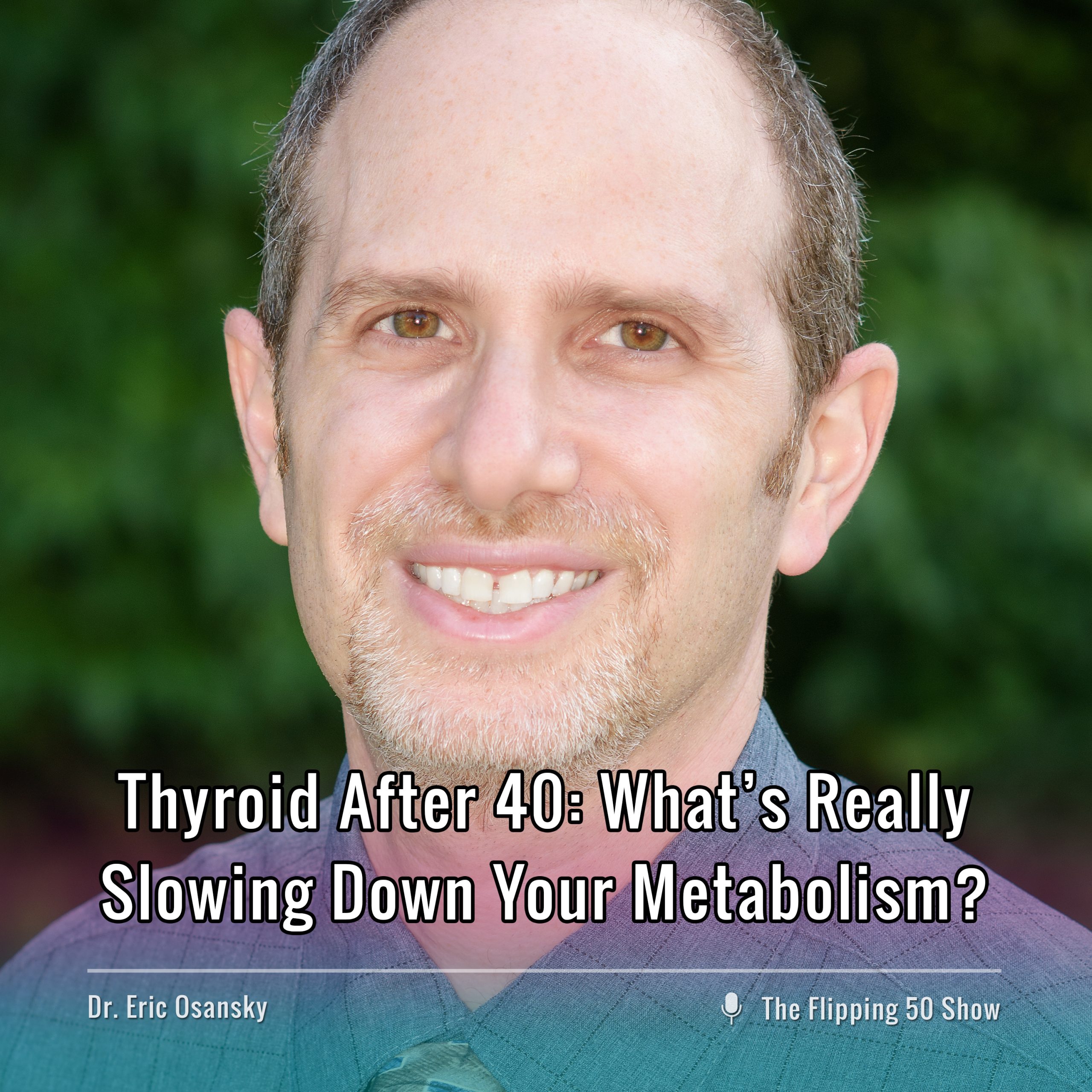
In this episode, Dr. Eric Osansky breaks down the difference between hypothyroidism, hyperthyroidism, Hashimoto’s, and Graves’ disease—and why your symptoms may deserve a closer look.
You’ll learn why TSH alone may not tell the whole story, how hormones and everyday exposures can affect thyroid function, and what testing, nutrition, and lifestyle changes may help.
If you’re navigating thyroid health in menopause, this conversation will help you connect the dots and take a smarter next step.
My Guest:
Dr. Eric Osansky is a chiropractor, clinical nutritionist, and a certified functional medicine practitioner who has been helping people with hyperthyroidism and Hashimoto’s since 2009. He is the author of the books “Natural Treatment Solutions for Hyperthyroidism and Graves’ Disease”, “The Hyperthyroid Healing Diet”, and “Hashimoto’s Triggers”, and is the host of the Save My Thyroid podcast. Dr. Osansky was personally diagnosed with Graves’ disease in 2008 and was able to restore his health through a natural approach, and since then has helped other reverse their hyperthyroidism and Hashimoto’s condition through his SAVED Thyroid framework.
Thyroid Health in Menopause: What Every Woman Over 40 Should Know
Questions We Answer in This Episode:
- [00:05:38] Why is thyroid function so important for metabolism and overall health?
- [00:06:19] What made you focus on thyroid health—and what can your Graves’ disease journey teach us?
- [00:09:00] What are the myths and truths about thyroid dysfunction?
- [00:20:55] Why do thyroid issues seem more common during midlife and menopause?
- [00:23:50] What everyday habits and exposures may contribute to thyroid dysfunction?
- [00:33:36] Can thyroid function improve with lifestyle changes—even after starting medication? Can thyroid medication be reduced or discontinued—and what options should women know about?
Thyroid Problems Can Look Like “Just Getting Older”
- A sluggish thyroid can affect metabolism, making it harder to understand changes in energy, weight, body composition, and how the body responds to exercise.
- Symptoms overlap with many other conditions, which can make thyroid dysfunction easy to dismiss or attribute to something else.
Hypothyroidism Vs Hyperthyroidism
- Hypothyroidism means thyroid hormone levels are too low; Hashimoto’s is identified as the most common cause of hypothyroidism discussed in the episode.
- Hyperthyroidism involves elevated thyroid hormones; Graves’ disease is an autoimmune cause.
- Hashimoto’s and Graves’ are autoimmune conditions, but not every thyroid disorder is autoimmune.
- Other thyroid problems can include thyroiditis, nodules, and goiter.
- Thyroiditis can temporarily move someone from hyperthyroid symptoms to hypothyroid symptoms before thyroid function normalizes in many cases.
A “Normal” Thyroid Test May Not Tell The Whole Story
- The autoimmune process can begin before conventional thyroid markers become abnormal.
- Dr. Osansky explains that antibodies may be present years before the thyroid panel reflects obvious dysfunction. Look at the broader picture rather than treating one lab value as the entire story.
Can Thyroid Health in Menopause Change Metabolism
Why Thyroid Problems May Show Up More Often In Midlife
- Majority of Dr. Eric Osansky thyroid patients as women, with many in their 40s, 50s, and 60s.
- Perimenopause and menopause bring significant fluctuations in estrogen and progesterone — which have roles in immune-system regulation, making hormone changes one potential piece of the thyroid/autoimmunity picture.
What affects your thyroid?
- Your everyday environment may matter more than you think.
- Everyday exposure can come from products such as skincare, shampoos, cosmetics, cleaners, fragrances, and plastic water bottles.
- People cannot realistically achieve a zero toxic burden; the goal is to reduce unnecessary exposure.
- Stress and overtraining can be part of the thyroid picture.
- Stress is an important factor in Dr. Osansky’s Graves’ disease experience.
- Overtraining isn’t necessarily obvious to a woman who has spent years being active and accustomed to pushing herself.
- Listening to the body becomes increasingly important when stress, hormone changes, recovery, and training load intersect.
Thyroid Medication
- Address the underlying cause.
- Thyroid hormone replacement can be appropriate and necessary, and some people need it long term.
- Whether someone can eventually reduce or discontinue thyroid hormone depends on the individual and the underlying cause of the thyroid problem.
- The goal should therefore be realistic: improving the underlying situation can still be valuable even when medication remains necessary.
- There is more than one thyroid medication option
The Midlife Takeaway: Don’t Automatically Blame Menopause
- The bigger question: Why is the thyroid struggling?
- Look for factors that may be contributing to thyroid dysfunction, including:
- Immune-system dysfunction
- Gut health
- Environmental/toxic exposures
- Stress
- Nutrition
- Excessive training or inadequate recovery
- The final message is not to fear exercise or thyroid medication—but to recognize when the body is asking for a closer look, better recovery, stress management, and appropriate professional support.
Women Often Blame Symptoms on Aging, But Did You Consider Checking Your Thyroid Health in Menopause?
Connect with Dr. Eric:
- Website – Save My Thyroid
- Facebook – Save Your Thyroid and Natural Thyroid Treatment
- Instagram – @drericosansky
- YouTube – NaturalThyroidDoctor
- SubStack – @savemythyroid
Could Everyday Chemicals Be Disrupting Your Thyroid Health in Menopause
Other Episodes You Might Like:
- Previous Episode – Chasing Skinny After 50: When Weight Loss Conflicts with Longevity
- Next Episode – Can’t Lose Belly Fat After Menopause? Your Sleep May Be Why
- More Like This – Cracking the Thyroid Health Code in Midlife
Resources:
- Not sure you’re doing what is best for you right now? Get a 90-Minute Ultimate Consultation with Debra. Together, you formulate the actual plan that will work for you! Currently 1/2 off for podcast listeners.
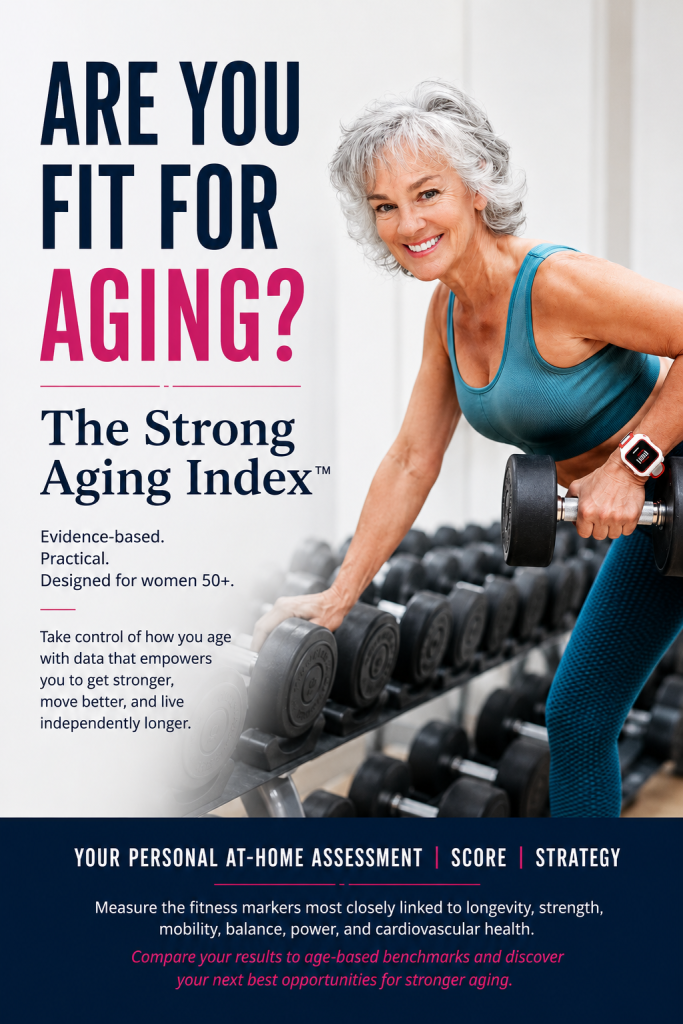
- Use Flipping 50 Active Aging Index to measure what matters with an easy at-home self-assessment test you can do in minutes.