
This episode is sponsored by Bluesky CBD and AquaTru.
- Bluesky CBD: Get to sleep faster, experience more restorative sleep and save 30% with code FLIPPING50 at https://www.bluesky-cbd.com/discount/Flipping50.
- AquaTru – Go to https://AquaTru.com/ now for 20% off (your purifier) using promo code FLIPPING50. AquaTru even comes with a 30-day best-tasting water guarantee.
There’s a growing science on creatine, brain health & longevity and may be one of the most important conversations midlife women need to hear right now.
Creatine is so much more than muscle — supports energy production, brain health, recovery, cognition, aging, sleep deprivation resilience, and why women in perimenopause and menopause may benefit even more than men.
The conversation also dives into the differences between creatine forms, misconceptions around bloating and kidney health, and why creatine may become one of the most important longevity supplements for midlife women
Tune in to learn why the research around creatine, brain health & longevity is creating so much excitement in the world of healthy aging.
My Guest:
Dr. Dan Pardi is the Chief Health Officer at Qualia Life Sciences, where he leads education to advance healthspan and peak performance. He’s the founder of humanOS.me and host of humanOS Radio, the official podcast of the Sleep Research Society. Dan has advised elite military units, Fortune 500 companies, and startups through his consultancy, Vivendi Health. He holds a PhD in Cognitive Neuroscience from Leiden University and Stanford, and speaks regularly at events like TEDx, VC Firms, and the Institute for Human Machine Cognition.
Why Creatine, Brain Health & Longevity Matter More After Age Forty
Questions We Answer in This Episode:
- [00:06:00] What is creatine and what role does it play?
- [00:08:20] How do you know if you need creatine and can you measure your levels?
- [00:13:00] Creatine started out as a gym-bro supplement. What made it so popular in sports performance?
- [00:16:34] What’s the link between creatine and the brain?
- [00:28:10] How does creatine help cognitive performance during sleep deprivation?
- [00:32:50] Why might creatine be even more beneficial for women than men?
- [00:34:51] Should women adjust creatine intake during different phases of their cycle or perimenopause?
- [00:37:49] What’s the difference between creatine monohydrate and creatine HCL?
What Creatine Is & Why It Matters
- Creatine is a natural compound made from amino acids.
- The body naturally produces creatine, and omnivores also obtain it through food.
- Muscles store about 95% of the body’s creatine.
- Creatine acts as a backup energy system during intense or prolonged activity.
- Vegetarians and vegans may have lower creatine intake because dietary sources are limited.
Real-World Performance & Recovery Benefits
- Improved repetitions and workout capacity while using creatine
- Creatine may help reduce the “burn” during exercise and improve training volume.
- Recovery becomes increasingly important with aging, especially after age 50.
Creatine’s Impact on Gut Health, Skin & Immunity
- Creatine may help strengthen the gut lining and reduce intestinal permeability.
- The skin also utilizes the creatine kinase energy system.
- Research suggests immune cells actively absorb creatine to support immune function.
- Creatine’s role extends far beyond muscle tissue into multiple body systems.
Brain Health, Memory & Cognitive Performance
- Creatine loading may increase brain creatine stores by 5–15%.
- Research shows improvements in working memory, reaction time, planning, and cognitive resilience.
- Creatine appears especially beneficial during stressful conditions like sleep deprivation.
The Surprising Connection Between Sleep Loss, Creatine, Brain Health & Longevity
Creatine & Sleep Deprivation Research
- Creatine became Dr. Pardi’s go-to strategy after poor sleep.
- Studies in elderly adults and elite rugby athletes showed preserved cognitive performance under sleep deprivation. Athletes maintained skills even after only a few hours of sleep when supplementing with creatine.
- Newer studies suggest the sleep-deprived brain becomes more absorbent to creatine.
Women Benefits More from Creatine
- Hormonal fluctuations influence creatine production and utilization.
- Estrogen appears to increase creatine synthesis and uptake.
- Progesterone dominance may reduce creatine production and contribute to lower energy and harder workouts.
- Creatine supplementation may help stabilize energy fluctuations during menstruation, perimenopause, and menopause.
Creatine Monohydrate vs HCL
- Creatine monohydrate remains the gold standard with the strongest research support.
- Other forms, including HCL and creatine ethyl ester, currently lack compelling evidence showing superiority.
Creatine Safety, Bloating & Kidney Concerns
- Research does not show kidney dysfunction in healthy individuals using creatine appropriately.
- Increased creatinine levels do not necessarily indicate kidney damage in creatine users.
Connect with Dr. Dan:
- Facebook – Qualia Life
- Instagram – @qualialife
- LinkedIn – Dan Pardi
Why Creatine, Brain Health & Longevity Benefits Every Midlife Woman Should Understand Today
Other Episodes You Might Like:
- Previous Episode – Two Fitness Tests Your Doctor Might Do Soon (start now!): Fitness is a Vital Sign
- Next Episode – Why Certain Exercise Intensities Work for You (and Others May Not)
- More Like This – How to Rewire Your Brain for Energy, Focus, and Longevity After 50
Resources:
- Don’t know where to start? Book your Discovery Call with Debra. Leave this session with insight into exactly what to do right now to make small changes, smart decisions about your exercise time and energy.
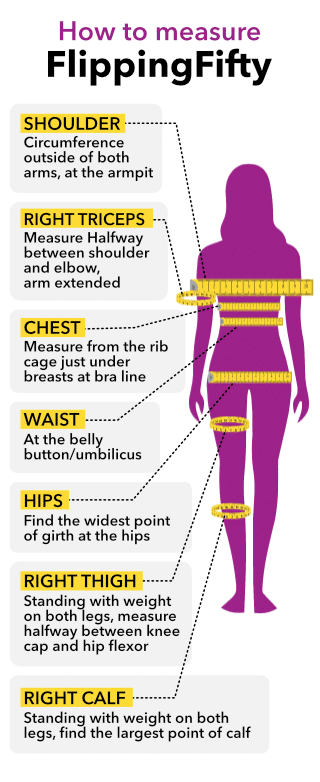
- Use Flipping 50 Scorecard & Guide to measure what matters with an easy at-home self-assessment test you can do in minutes.
- Take control of your cellular health today. Go to https://qualialife.com/FLIPPING to get 50% off and save an extra 15% with the code FLIPPING.