This episode is sponsored by Holistic Goddess.
- Holistic Goddess – Go to https://holisticgoddess.com and use code FLIPPING50 for free shipping.
Strength training after menopause isn’t about doing more—it’s about knowing what your changing body actually needs.
From training volume and recovery to protein and progression, the rules may need a midlife update.
The good news? You don’t need to live in the gym or train harder every day to build strength, muscle, and confidence.
Discover what really changes—and what doesn’t—with strength training after menopause.
This is Part 4 of the Resistance Training in Menopause series.
Here are the other parts of the series you can listen to:
- Part 1 – Strength Training After 50: Where Do I Even Start?
- Part 2 – You’re Already Lifting — So Why Isn’t It Working?
- Part 3 – The Perimenopause Rules Nobody Told You About Resistance Training
The 5 Priorities in Post Menopause
1. Train for Strength
- Strength is the foundation for maintaining muscle quality and physical function as you age.
- Effort matters more than heavy resistance.
- 3 times a week, at least
- 10 to 20 sets per muscle group, per week (20 sets maximum)
- The goal is to challenge the muscle enough to create an adaptation.
- Do not compare your heavy versus someone else’s heavy.
- Pilates and Yoga are good for cross training, but not for strength.
- Key lesson: Don’t confuse strength training with simply moving weights. The muscle needs a meaningful challenge.
Strength Training After Menopause Requires More Than Just Lifting Weights
2. Add Power
- Power is strength + speed.
- Power training isn’t about using momentum or throwing your body around. It means performing the resistance phase explosively while maintaining control.
- The ability to decelerate and stop is part of power.
- Power becomes particularly important because fast-twitch muscle fibers decline more rapidly with age.
- Once a solid strength foundation and movement pattern are established, speed can be layered into appropriate exercises.
- Key lesson: Strength gives you the force. Power teaches you to use that force quickly.
3. Prioritize Your Bone Density
- The significant drop in estrogen associated with menopause makes bone health a priority in postmenopause.
- The bigger goal isn’t simply having a better bone-density test—it is reducing the risk of fractures and maintaining physical capability.
- That means training qualities such as:
- Mobility
- Stability
- Agility
- Strength
- Power
- Bone-specific resistance work can continue producing improvements in bone density over time. The transcript discusses progressing from a moderate repetition range and potentially increasing load after a plateau.
- The goal is not simply to measure the bone. It’s to build a body capable of protecting that bone.
- Key lesson: Don’t train only for a better bone-density number. Train the muscle, strength, power, mobility, and agility that help protect the bone.
Rethink How You Train and Recover When Strength Training After Menopause
4. Recover Intentionally
- Recovery isn’t passive time between workouts. It is an active part of the training strategy.
- Strength and power cannot be developed effectively without recovery
- Recovery includes much more than simply taking a day off. It includes:
- Adequate protein
- Adequate calorie intake
- Sleep
- Mobility
- Daily movement
- Activities that promote circulation
- Have at least three protein-containing meals, with the possibility of adding a fourth when needed.
- Older muscle may require a greater protein dose to stimulate muscle protein synthesis compared with younger muscle.
- Movement during recovery can help circulation and oxygen delivery to muscles.
- Supplements such as creatine may have a role, but they come after the foundational recovery and nutrition habits are in place.
- More training isn’t necessarily faster progress.
- Key lesson: Recovery isn’t what you do instead of training. Recovery is what allows training to work.
5. Train for Your Next 30 Years
- Postmenopause isn’t a reason to train less. It’s a reason to train with a different purpose.
- Train for the season of life you’re entering.
- Think about what you want to be able to do in the next 10, 20, or 30 years.
- Carrying luggage while traveling
- Climbing hills
- Exploring Europe
- Playing with grandchildren
- Getting up and down from the floor
- Avoiding falls
- Playing pickleball
- Maintaining independence
- Abilities that feel effortless today need to be practiced and maintained if you want to keep them.
- Key lesson: Don’t train for the body you had. Train for the life you want 30 years from now.
Prepare for the Next 30 Years With Strength Training After Menopause
The five priorities aren’t five separate workouts. They layer together.
Strength training after menopause isn’t about chasing heavier weights, longer workouts, or a younger version of yourself. It’s about training with purpose—building strength, adding power, supporting your bones, recovering intentionally, and preparing your body for the next 30 years. The goal isn’t simply to look fit; it’s to stay capable, independent, and ready for the life you want to live.
The best strength training after menopause is the kind that helps you keep doing what you love for decades to come.
Strength Training After Menopause Starts With Strength and Goes Beyond It
If this episode made you flip your workout routine — share it!
👉 Post to your stories, tag @Flipping50TV in Instagram and share the episode to your best friend.
👉 Meet other women, who are done with outdated fitness advice, at Flipping50 Facebook Group.
👉 Subscribe, share, and leave a review if you’re ready to flip the script on Flipping 50 The Stronger Way.
Connect with Flipping 50:
- Flipping50 Insiders Facebook Group
- Instagram – @Flipping50TV
- YouTube – @Flipping50TV
- More Episodes – Flipping 50 The Stronger Way
Other Episodes You Might Like:
- Previous Episode – Menopause Fitness Researchers: Who to Follow and Why
- Next Episode – Healthy Aging And The Role Your Mindset Plays In Staying Young
- This is Part 4 of the Resistance Training in Menopause series.
Here are the other series you can listen to:
Resources:
- Book an Ultimate Assessment with Debra! Get your HALO Method and Longevity Strategy at $497, instead of $997 rate. Together, you formulate the actual plan that will work for you!
- Get your lean, clean Flipping 50 Protein Powders to maintain muscle and support metabolism.
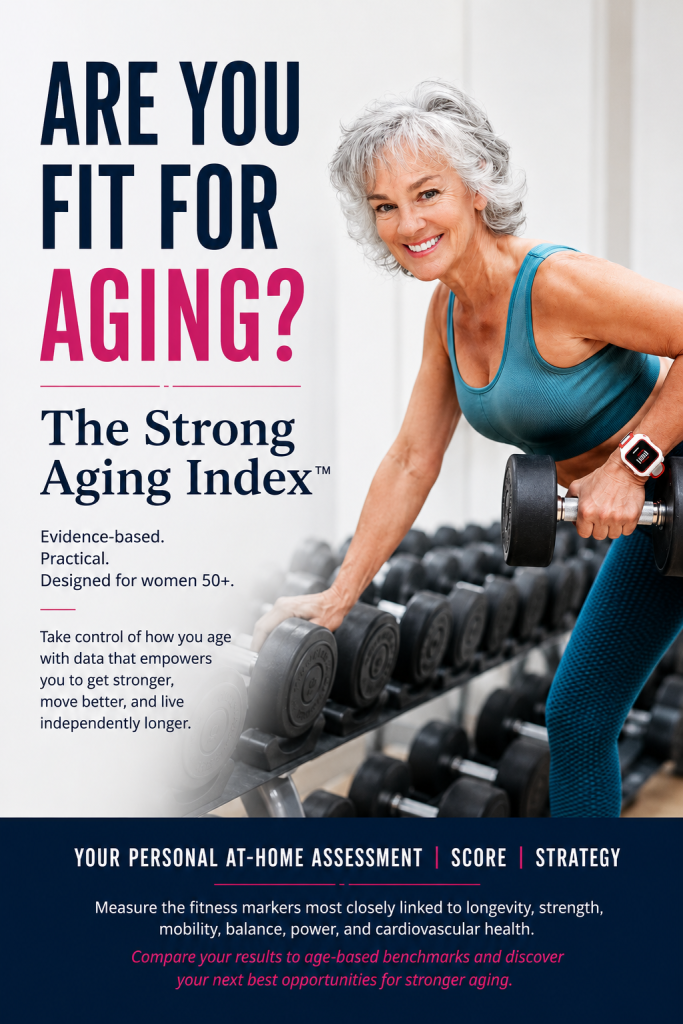
- Use Flipping 50 Strong Aging Index to measure what matters with an easy at-home self-assessment test you can do in minutes.