This episode is sponsored by Masterclass.
- MasterClass – MasterClass keeps adding new classes, so there’s never been a better time to get in. Head to https://masterclass.com/flipping50 to get at least 15% off any annual membership.
PMOS hormones and metabolism are connected in ways that can change how you understand your body in midlife.
PCOS has a new name—and it changes the conversation
In this episode, learn what to watch for and what changes during perimenopause. Some symptoms, metabolic changes, or health risks showing up in midlife have roots that go much further back than menopause.
If you’ve ever wondered how your past could still influence your health today, this conversation will change how you think about PMOS hormones and metabolism.
My Guest:
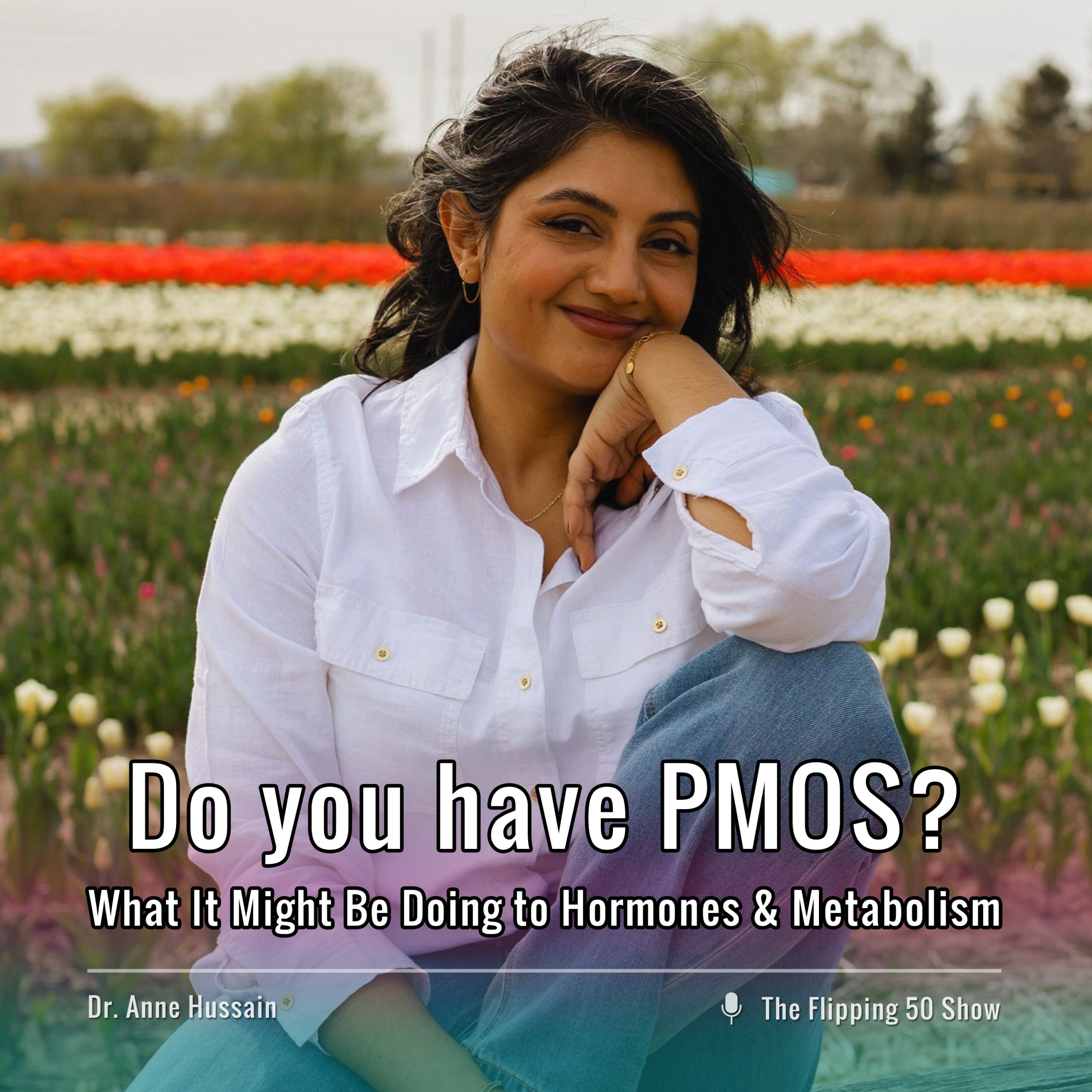
Dr. Anne Hussain is a Naturopathic Doctor, Menopause Society Certified Practitioner, TEDx speaker, author of The Period Literacy Handbook, and co-creator of The Perimenopause Summit. Her passion to empower and support women with evidence-based care through every stage of their hormonal lives stems from her own PMOS and lack of reproductive health education growing up in Pakistan.
Questions We Answer in This Episode:
- [00:05:50] PCOS to PMOS name change: Why and what does it mean?
- [00:12:56] Why has PMOS often gone undiagnosed in the past, especially in women now in midlife?
- [00:22:58] What is the specific diagnostic criteria for PMOS?
- [00:26:00] How do doctors approach treatment for PMOS without just “playing whack-a-mole” with symptoms?
What Midlife Women Must Know About PMOS Hormones and Metabolism
PCOS Has a New Name—and It Changes the Conversation
- PCOS has been renamed PMOS: Polyendocrine Metabolic Ovarian Syndrome, reflecting the broader nature of the condition.
- The former name, PCOS or PolyCystic Ovary Syndrome, refers to follicles that have not matured properly and are clustered in the ovary—not necessarily ovarian cysts.
- Having polycystic ovarian morphology is not required for a PCOS diagnosis.
- PMOS better reflects the involvement of:
- Multiple hormones
- Metabolism
- Ovarian function
- Insulin resistance
- Brain and metabolic hormone signaling
- The condition is lifelong, complex, and multifaceted, rather than simply a fertility or weight issue.
- The name change may help healthcare providers recognize metabolic issues and consider a broader range of treatment strategies.
PMOS Doesn’t Have One Single Cause
- PCOS/PMOS develops through a combination of factors rather than one identifiable cause.
- Genetics
- Epigenetics
- Upbringing
- Childhood experiences and trauma
- Environmental exposures
- Lifestyle
- This helps explain why two women can have very different symptoms and health experiences despite sharing the same diagnosis.
- Treating PMOS effectively requires looking at the whole picture, rather than chasing one symptom at a time.
PMOS Hormones and Metabolism Explained For Women In Midlife
Many Women in Their 50s and 60s May Have Never Been Diagnosed
- PMOS is a diagnosis of exclusion: other conditions that can cause similar symptoms must first be ruled out.
- Potential look-alikes include thyroid disorders, adrenal disorders, elevated prolactin, and hypothalamic amenorrhea.
- Common clues can include:
- Irregular or missing periods
- Anovulatory cycles
- Acne
- Excess facial or body hair
- Hair loss
- Elevated androgens
- Metabolic changes such as insulin resistance, diabetes, or high cholesterol
- Many older women grew up without adequate menstrual-cycle education and may have assumed irregular periods were simply their personal “normal.”
- A history of irregular cycles, difficult-to-treat acne, gestational diabetes, gestational hypertension, or relevant family history can provide important clues even decades later.
- PCOS symptoms can appear to “disappear” with age, but Dr. Anne explains that this may represent well-managed PCOS, rather than the condition disappearing entirely.
The Diagnostic Picture: It’s More Than One Test
- There is no single test that simply says, “You have PCOS.”
- The standard discussed is the Rotterdam criteria, requiring two of three criteria:
- Irregular or anovulatory menstrual cycles
- Hyperandrogenism—clinical signs or elevated androgens on blood work
- Polycystic ovarian morphology on ultrasound or elevated AMH
- Clinical signs of hyperandrogenism can include significant acne, hair loss, and unwanted facial or body hair.
- AMH can be elevated because of the larger number of follicles associated with PCOS; this does not necessarily mean a woman has a greater “ovarian reserve” than she actually does.
- Adolescents require a different diagnostic approach because irregular cycles and ovarian morphology can occur normally during the early years after menstruation begins.
- Diagnosis also requires considering the individual’s broader medical and family history.
Strength Training Directly Influences Your PMOS Hormones and Metabolism Health
Treatment Should Be Systematic
- Birth control, medications, supplements, herbs, and lifestyle interventions can all have a role depending on the individual’s circumstances and goals.
- Lifestyle remains foundational regardless of whether additional medications, supplements, herbs, or other interventions are used.
- A heart-healthy lifestyle includes:
- A plant-forward eating pattern
- Plenty of fiber
- Adequate potassium
- Moderating sodium
- Regular exercise
- Strength training
- Building and maintaining muscle
- Sometimes lifestyle is enough; sometimes an additional “tool” is necessary. Needing a tool is not a failure—it is part of individualized care.
Irregular Periods Can Have Consequences Beyond the Menstrual Cycle
- If someone with PCOS/PMOS goes several months without bleeding, the concern isn’t simply having an irregular period.
- The uterine lining can continue building up, increasing the risk of endometrial hyperplasia.
- If the lining remains unchecked, there is a small but increased risk of uterine cancer.
The Silent Changes of Perimenopause Matter Too
- Perimenopause isn’t only about hot flashes, night sweats, or symptoms that are easy to notice.
- Bone loss and cardiometabolic changes can occur silently, even when outward symptoms are minimal.
- The period around the final menstrual period is particularly important: Dr. Anne identifies the two years on either side of the final period as a time when cardiometabolic and bone changes can accelerate.
- Don’t wait until menopause is “official” to start paying attention.
The Hidden Truth of PMOS Hormones and Metabolism
The Long-Term Risks
- Cardiometabolic risk increases during midlife generally, but the conversation notes that women with PCOS/PMOS have higher risk.
- Cardiovascular disease develops over years and even decades, making prevention and earlier risk management important.
- Women with PCOS also have a higher risk of sleep apnea, including into midlife.
- Managing risk doesn’t necessarily mean pursuing weight loss at all costs; preventing excessive weight gain, improving muscle mass, and improving insulin sensitivity can all be meaningful goals.
Connect with Dr. Anne:
- Join Dr. Anne’s The Perimenopause Summit on Sept 21 to 24, 2026 FREE through this link: https://www.flippingfifty.com/theperimenopause
- Facebook – Dr. Anne Hussain
- Instagram – @dr.annehussain
- LinkedIn – Dr. Anne Hussain
Stop Guessing and Start Testing For PMOS, Hormones And Metabolism Today
Other Episodes You Might Like:
- Previous Episode – How I Choose Supplements (and recommend you do too)
- Next Episode – Chasing Skinny After 50: When Weight Loss Conflicts with Longevity
- More Like This – 25 Simple Rules for Optimal Health, Wellness & Fitness over 50
Resources:
- Not sure you’re doing what is best for you right now? Get a 90-Minute Ultimate Consultation with Debra. Together, you formulate the actual plan that will work for you! Currently 1/2 off for podcast listeners.
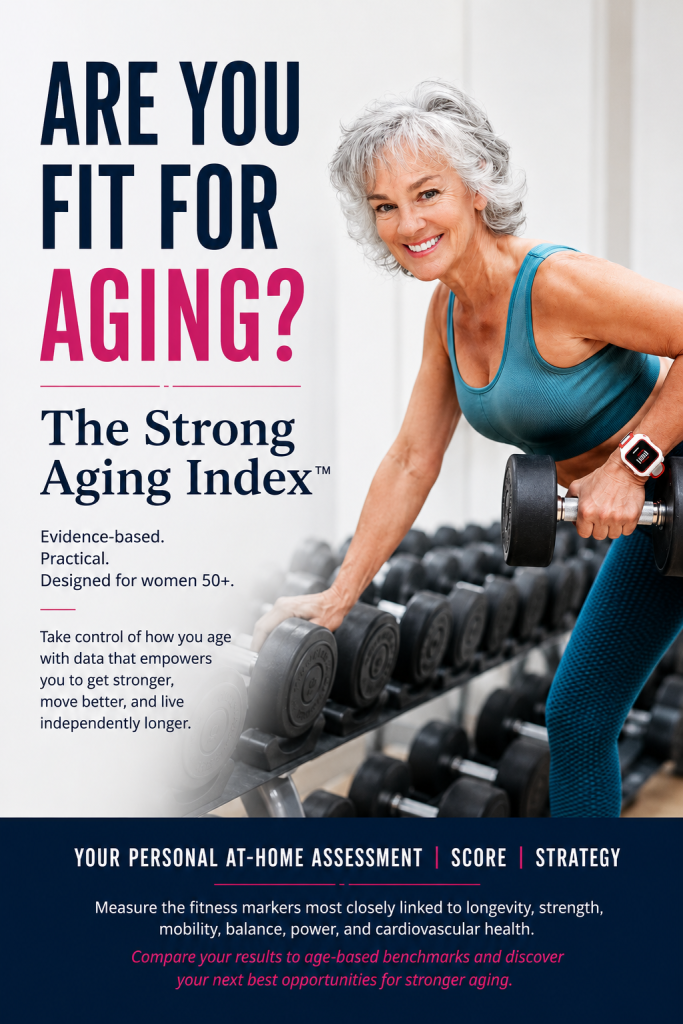
- Use Flipping 50 Active Aging Index to measure what matters with an easy at-home self-assessment test you can do in minutes.
- Join Dr. Anne’s The Perimenopause Summit on Sept 21 to 24, 2026 for FREE.