Does building muscle require extra leucine to build muscle after 50?
You’ve probably heard that leucine is the essential amino acid responsible for stimulating muscle protein synthesis. But does taking extra leucine actually translate into more muscle, strength, and better physical function?
A new study involving older women reveals what happened when researchers added leucine to resistance training and an adequate-protein diet.
Discover what the research really tells us about protein, muscle protein synthesis, and getting stronger as you age.
Find out what you really need to know about leucine to build muscle after 50!
Questions We Answer in This Episode:
- [00:02:27] What did the research reveal about leucine supplementation and muscle growth?
- [00:04:53] How much should you trust this study when applying it to women over 50?
- [00:07:45] What is muscle protein synthesis, and why does it matter more as we age?
- [00:12:04] Can you get enough leucine from dietary protein alone?
- [00:16:08] Should you prioritize protein, Leucine, or BCAAs for building muscle?
- [00:18:56] What actually matters most for building muscle and staying strong as you age?
The Research on Leucine to Build Muscle After 50
- Researchers conducted in 2025 with a double-blind, placebo-controlled trial, meaning neither participants nor researchers knew who received leucine or the placebo.
- Only 19 women completed the study, making this a relatively small sample.
- Participants’ average age of 78, classified as pre-frail or frail — substantially older and more physically vulnerable than many women in their 50s and 60s.
Protein Intake, Resistance Training, and the Supplementation Protocol
- All participants completed 12 weeks of resistance training with 1.2 grams of protein per kilogram of body weight daily.
- The study compared an additional 7.5 grams of leucine daily against an alanine placebo.
- Protein intake matters because amino acids provide the building blocks needed for muscle repair and growth.
- Protein recommendations discussed in the episode include:
- 0.8 g/kg as the lower end of general protein recommendations.
- 1.2–1.6 g/kg as a range discussed for supporting muscle strength and mass.
- Up to 2.2 g/kg (approximately 1 gram per pound of body weight) in the context of optimizing body composition and maintaining lean muscle.
What the Research Actually Found About Leucine and Muscle Growth
- Muscle protein synthesis increased approximately 47% across participants.
- Total lean mass increased by approximately 2%.
- Physical function improved.
- However, adding extra leucine produced no detectable additional anabolic benefit.
- The improvements occurred during the combined resistance-training and protein-focused program, not because extra leucine demonstrated an additional advantage.
Important distinction:
- A 47% increase in muscle protein synthesis does NOT mean a 47% increase in muscle mass.
- Muscle protein synthesis measures the process of making muscle proteins.
- Total lean mass is not identical to skeletal muscle mass.
- Different measurements tell us different things about muscle-building progress.
Leucine to Build Muscle After 50 and the Science of Protein
Muscle Protein Synthesis vs. Muscle Protein Breakdown as We Age
- Muscle protein synthesis refers to the process of making muscle proteins.
- Muscle protein breakdown is the opposing process.
- Aging is associated with a decline in muscle protein synthesis.
- Resistance training stimulates muscle protein synthesis at every age.
- Eating adequate protein at meals also helps stimulate muscle protein synthesis.
- Consistently missing resistance training and falling short of protein needs can shift the balance toward muscle protein breakdown.
- Supporting muscle protein synthesis is important for maintaining muscle and optimizing body composition as we age.
Does Extra Leucine Make a Difference When Protein Intake Is Already Adequate?
- The study specifically compared women receiving additional leucine with women receiving a placebo.
- Both groups participated in resistance training and followed the protein-focused diet.
- Extra leucine did not provide a detectable additional benefit.
- The findings do not establish how much of the overall improvement came from training versus dietary protein.
- Animal-based protein sources naturally contain leucine.
- An average 4-5 oz serving of animal protein may provide approximately 2.5–3 grams of leucine.
- Women consuming animal protein at two or three meals daily may already be getting substantial amounts of leucine through food.
Important Limitations Before Applying These Findings to Women Over 50
- The study included only 19 participants, so broad conclusions should be made cautiously.
- Participants were approximately 78 years old and pre-frail or frail.
- Their results cannot automatically predict how a healthy, active 55-year-old woman who has been resistance training for years will respond.
- The study did not examine specific menopausal hormone profiles or compare hormone therapies.
- It did not test every amino acid supplement, protein product, or dietary approach.
Leucine to Build Muscle After 50 Separating Science From Supplement Marketing
Practical Ways to Evaluate Your Own Leucine and Protein Needs
- Debra shares her perspective as a 62-year-old woman who has been lifting for years: she isn’t rushing out to buy a leucine supplement.
- Her priority is consistently eating protein-rich meals.
- Missing protein occasionally isn’t necessarily the concern; repeatedly missing meals or falling short over several consecutive days deserves more attention.
- Before adding supplementation, ask yourself:
- Are you following a progressive resistance-training program?
- Have you actually assessed how much protein you’re eating?
- Are you measuring an outcome that matters to you?
- Are you addressing an identified nutritional gap, or simply copying a supplement recommendation?
- Supplementation should have a clear purpose and a measurable way to evaluate whether it’s working.
Why BCAAs May Not Be the First Supplement You Need
- Branched-chain amino acids (BCAAs) include three essential amino acids.
- Food provides additional macro- and micronutrients beyond isolated amino acid supplements. Prioritize adequate dietary protein containing all essential amino acids.
- If supplementing with essential amino acids, include all nine essential amino acids rather than selecting only a few.
- BCAAs are not a substitute for a complete nutritional foundation.
- Even in bodybuilding contexts, additional BCAAs are more of an add-on than a starting point.
The Bigger Message About Building Muscle and Aging Strong
- Age is not a reason to stop pursuing muscle and strength gains.
- The participants improved despite their advanced age and physical vulnerability.
- Resistance training and adequate dietary protein support the body’s ability to adapt, repair, and build muscle.
- Extra leucine did not provide a detectable additional benefit when participants were already receiving these foundational interventions.
- Not every new research paper needs to become another purchase.
- Focus on what you can consistently do to support strength, muscle, and longevity.
Leucine to Build Muscle After 50 and Why More Isn’t Always Better
Connect with Flipping 50:
- Facebook Group – Flipping50 Insiders
- Instagram – @Flipping50TV
- YouTube – @Flipping50TV
- More Episodes – Flipping 50 The Stronger Way
References:
- Geroscience. 2025, PMID: 40926079.
Other Episodes You Might Like:
- Previous Episode – What Actually Is IBS? The Girl’s Guide to Guts
- More Like This:
Resources:
- Work with Debra with an Ultimate Assessment
- FLIP Menopause program – Join the next live cohort
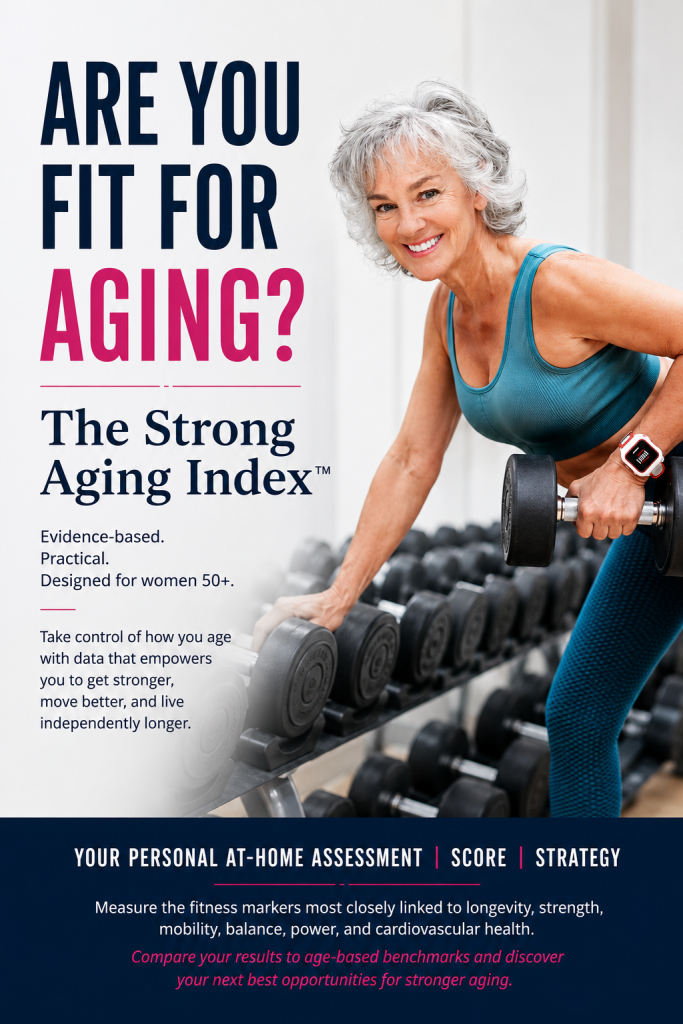
- Measure what matters using the Flipping 50 Strong Aging Index
- Hot Off The Press! The science for staying strong.
- Understand how sleep relates to your hormones with Flipping 50 Sleep Yourself Strong
If this episode made you flip your workout routine — share it!
👉 Post to your stories, tag @Flipping50TV in Instagram and share the episode to your best friend.
👉 Meet other women, who are done with outdated fitness advice, at Flipping50 Facebook Group.
👉 Subscribe, share, and leave a review if you’re ready to flip the script on Flipping 50 The Stronger Way.