This episode is sponsored by Timeline, Siphox and Calocurb.
- Timeline – Timeline’s clinically proven formula is now available at a new, lower price. Mitopure now starts at $99, with the exact same science and formula. And my listeners can still get 20% off when you go to https://timeline.com/FLIPPING50SHOW
- Siphox Health – Get your convenient test kit from Siphox Health at https://siphoxhealth.com/flipping50 for 20% off at this link.
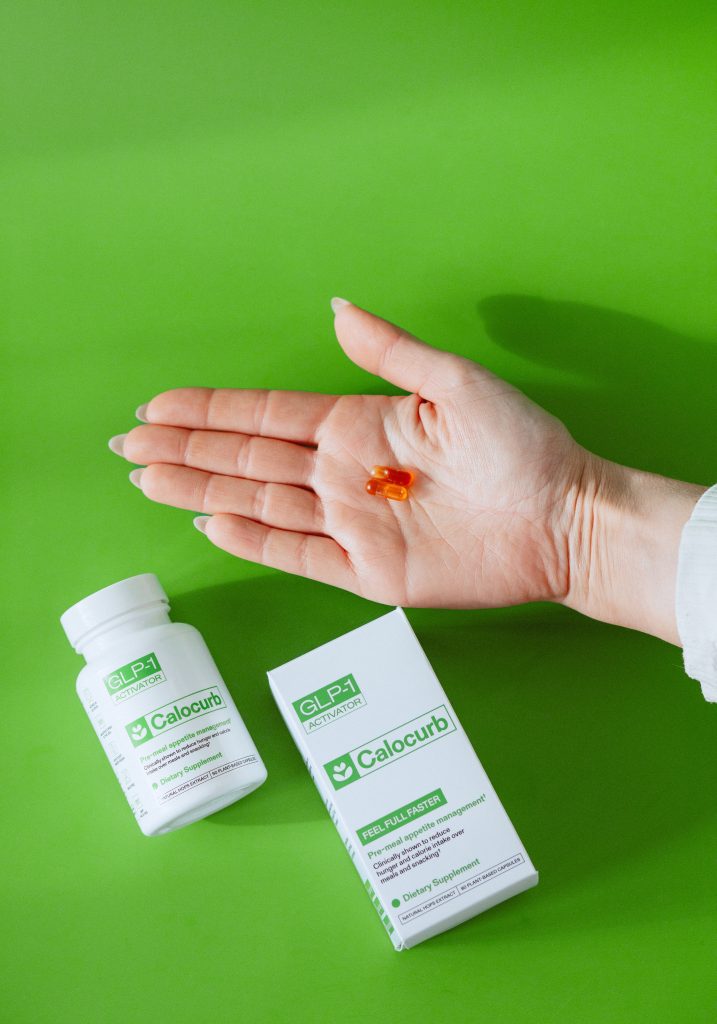
- Calocurb – Feel full faster with Calocurb! Clinically proven, natural hunger control – prescription free, affordable, and fast acting. Get 10% off when you use this link https://www.flippingfifty.com/calocurb
There is a massive gap in understanding menopause from a male partner’s perspective—and why it’s causing unnecessary confusion, conflict, and disconnection in relationships.
Where to start? What they don’t know about menopause might kill them? Or us?
In this episode I am joined by the author of the recently published book by a male, for males, but also valuable to women about navigating menopause with partners.
Instead of focusing only on biology, this conversation dives into what really matters:
👉 Communication
👉 Emotional support
👉 Relationship dynamics
👉 Practical ways men can show up better
The episode highlights that menopause isn’t just a women’s health issue—it’s a relationship transition. When they know what they used to not know about menopause, it can actually strengthen connection and improve intimacy long-term.
What Men Don’t Know About Menopause And Why It Impacts Relationships Deeply
My Guest:
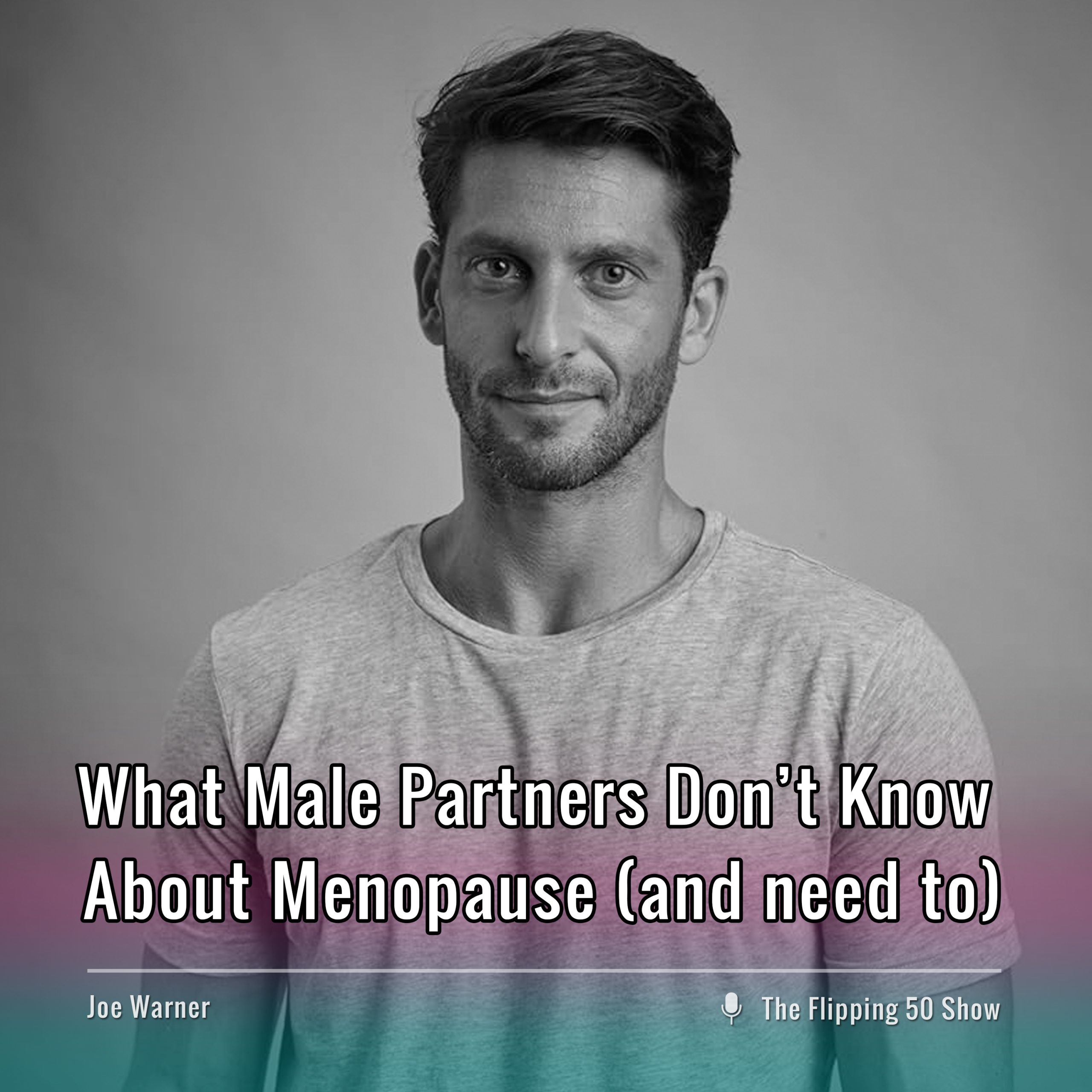
Joe Warner is an award-winning journalist and best-selling author. His new book, Burning Up, Frozen Out – What Every Man Needs to Know About the Menopause (But No One Told You), explains how men can better understand and support their partners through menopause, while also taking better care of their own health.
Questions We Answer in This Episode:
- [00:00:00] Why do so many men still struggle to understand perimenopause and menopause – and what impact does that have on relationships?
- [00:00:00] How can menopause affect connection, communication and day-to-day life as a couple in ways people might not expect?
- [00:00:00] What do men consistently get wrong – and how can you guide them to support you in a way that actually helps?
- [00:00:00] What are some simple, realistic ways partners can better support each other through this transition?
- [00:00:00] How can couples stay connected and on the same team when everything feels like it’s shifting?
- [00:00:00] Why can intimacy and libido become such a challenge during this stage – and how is it often misunderstood?
What Men Get Wrong About Menopause
- Biggest mistake: trying to “fix” it
- Men approach menopause like a problem to solve
- This creates:
- Shame
- Blame
- Emotional disconnect
👉 Shift needed: From fixing → to supporting
What They Don’t Know About Menopause Could Be Hurting Your Relationship
Why Conversations Fail
- People aren’t truly listening—they’re waiting to respond
- Men often avoid conversations out of fear of saying the wrong thing
- Avoiding communication makes things worse
Lack of Awareness (Even Among Women)
- Many women don’t recognize symptoms themselves
- Even medical professionals miss signs
- This normalizes confusion—but also highlights need for education
Men’s Role as Observers & Advocates
- Men can spot early signs of perimenopause
- Can support by attending medical appointments
- Help reduce delays in diagnosis and treatment
Intimacy & Relationship Struggles
- Loss of intimacy is often misunderstood
- Two key differences:
- Men: spontaneous desire
- Women: need emotional connection first
- Misalignment creates rejection and confusion
The Connection vs Sex Disconnect
- Men: seek connection through sex
- Women: need connection before sex
- Lack of communication worsens the gap
Hope: Relationships Can Improve
- Couples who communicate report:
- Better intimacy than before
- Stronger emotional connection
- Requires:
- Honesty
- Humor
- Open conversations
- Knowledge: What’s happening (for both men & women)
- Communication: How to talk to each other & doctors
- Power: Lifestyle (sleep, stress, nutrition, exercise)
Biggest Insight from Research
- Couples who navigate menopause well often become happier than before
- Forced to:
- Reevaluate relationship
- Communicate honestly
- Break autopilot patterns
Common Mistake with “Helping”
- Men suggest solutions (e.g., gym together)
- Women actually need:
- Time
- Space
- Reduced responsibilities
- Best support = taking things off her plate
The Role of Guilt in Women’s Health
- Women often:
- Put themselves last
- Feel guilty prioritizing health
- Men can support by creating space for self-care
What Couples Don’t Know About Menopause Affects Everything
Connect with Joe:
- Website – Burning Up, Frozen Out
- Instagram – @joewarneruk
- X – @joewarneruk
Other Episodes You Might Like:
- Previous Episode – Stop the Confusion: Turn Midlife Muscle Strength Into Personal Power
- Next Episode – Motivation to Move for Longevity: One Doctor’s Message
- More Like This – Love Relationships and The Health & Hormone Connection
Resources:
- Don’t know where to start? Book your Discovery Call with Debra. Leave this session with insight into exactly what to do right now to make small changes, smart decisions about your exercise time and energy.
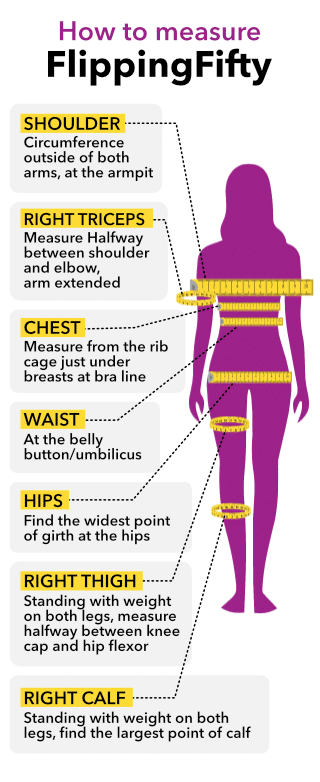
- Use Flipping 50 Scorecard & Guide to measure what matters with an easy at-home self-assessment test you can do in minutes.
- Feel full faster with Calocurb! Clinically proven, natural hunger control – prescription free, affordable, and fast acting. Get 10% off when you use this link https://www.flippingfifty.com/calocurb