
This episode is sponsored by Flipping 50 Menopause Fitness Specialist.
Become a health & fitness coach who finally speaks midlife women’s language.
Learn how to design workouts that balance hormones that actually get results for women in menopause.
If you’ve been doing all the right things but still not seeing the results you deserve, this episode will show you exactly what your menopause fitness routine is missing.
You’re eating right, lifting weights, walking, and following all the “they say” advice — yet your metabolism, muscle tone, or energy still feels stuck. Today, I’m revealing the one game-changing ingredient most midlife women overlook.
No… it’s not another supplement, diet tweak, or fancy fitness app.
You’ll hear why your workouts may be quietly working against you.
You’ll understand why your menopause fitness routine is missing this essential piece — and how adding it back brings your energy, metabolism, and confidence roaring back.
The Real Reason You’re Plateaued
- You may have “outgrown your program.”
- Doing the same routine monthly → sliding backward.
- What used to work in your 20s/30s doesn’t work the same now.
The Big Reveal: The Missing Ingredient
It’s not more workouts—it’s periodization.
- You need well-planned and smart workouts plus smart recovery.
- Exercise can help or hurt depending on recovery.
- Women often plateau midlife because they continue repeating the same routines without structured progression.
Why Periodization Matters for Midlife Women
- Science shows women 40+ who don’t vary intensity experience:
- Higher cortisol
- Lower muscle protein synthesis
- Higher injury risk
- Vulnerable areas: shoulders, knees, low back, hips, plantar fascia.
What Exactly is Periodization
- Defined as “cycling your training through phases”:
- Build phase
- Peak phase
- Recovery phase
- “Stress. Recover. Adapt.” — the science-backed formula for growth.
- Applies to everyone—athlete or not.
The One Game-Changer Your Menopause Fitness Routine Is Missing
How to Use Periodization for Results
- Even if you’re training “just for results,” you still need cycles.
- Every ~3 weeks → insert a recovery week.
- Athletes do this; midlife women need it even more.
The Hormone Connection
- Estrogen helps build/protect muscle and connective tissue.
- When estrogen dips, recovery slows.
- More mobility + longer warmups/cooldowns needed.
- Periodization reduces symptoms that mimic menopause:
- Fatigue
- Mood swings
- Weight gain
- Poor recovery
- Benefits when you match training cycles with your hormones:
- Reduce inflammation
- Improve insulin sensitivity
- Balance cortisol
How to Train with Your Cycle (If You Still Have One)
- Final days before period: energy dips → back off, walk more, add yoga.
- 7–10 days after period: stronger lifting window, but higher ankle sprain risk.
- Don’t “go crazy” micromanaging cycles—just listen to your energy.
Overtraining & Why Pushing Hard Backfires
- More is not better.
- Without recovery weeks:
- Muscles break down
- Fat loss stalls
- Cortisol spikes
- Illness/soreness/injury increases
- If you don’t take breaks, “your body will give you one.”
- Research shows that women over 50 who periodize training have fewer injuries, better bone density, and maintain lean muscle mass more effectively than those who don’t.
“The most often sore, most frequently sick, tired and injured… don’t take breaks so their body gives them one.”
Debra Atkinson, MS, CSCS
How to Build Periodization Into Your Week, Month, Quarter
- Alternate 8–12 week strength phases with recovery or maintenance phases.
- Weekly structure:
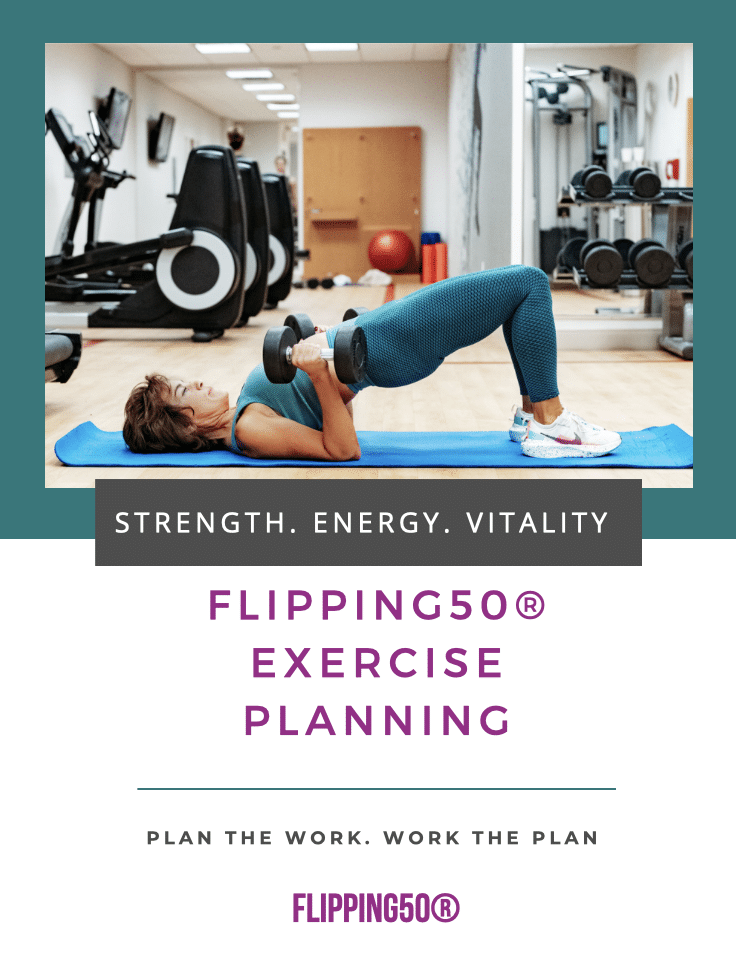
- 2–3 strength sessions
- 1–2 interval or cardio sessions
- Daily low-intensity movement (walk, mobility)
- 1 full rest/recovery day
- Every 4th week = deload week
- Every 12 weeks = reset
Smarter, Not Harder: Add Back What Your Menopause Fitness Routine Is Missing to Ignite Results
Key Takeaways
- Repeating the same routine leads to plateaus, injury risk, and hormone imbalance.
- Women 40+ must vary intensity (hard days, light days, recovery weeks) to avoid cortisol overload.
- Recovery is where the progress happens—not during the workout itself.
- Strategic planning → better muscle, metabolism, and longevity.
References:
- Sports Medicine. 2017, PMID: 28497285.
- Sports Medicine. 2005, PMID: 15831061.
- Aging Clinical and Experimental Research. 2021, PMID: 33880736.
- Croatian Medical Journal. 2007, PMID: 18074410.
Other Episodes You Might Like:
- Previous Episode – The Perimenopause Brain Health Window with Mariza Snyder
- Next Episode – Cracking the Thyroid Health Code in Midlife
- More Like This:
Resources:
- Get the Flipping 50 STRONGER 12-week program for your at-home safe, sane, simple exercises.
- Join Flipping 50 Menopause Fitness Specialist® to become a coach!
- Don’t know where to start? Book your Discovery Call with Debra. Leave this session with insight into exactly what to do right now to make small changes, smart decisions about your exercise time and energy.