This episode is sponsored by Fatty15 and AirDoctor.
- Fatty15 – Fatty15 is on a mission to optimize your C15 levels to help support your long-term health and wellness – especially as you age. You can get an additional 15% off their 90-day subscription Starter Kit by going to https://fatty15.com/FLIPPING50 and using code FLIPPING50 at checkout.
- AirDoctor – Head to https://AirDoctorPro.com and use promo code FLIPPING50 to get $250 off select AirDoctor air purifiers, including the 3500, 4000, and 5500 models. Plus, every purchase is backed by a 30-day money-back guarantee.
The fitness industry has failed women in midlife by relying on outdated advice.
We’re talking about the biggest misconceptions in women’s fitness and what science says that actually supports hormonal, metabolic, and physiological changes after 50.
You’ll discover why exercising smarter—not harder—is the key to thriving through menopause and beyond. The workouts that used to work suddenly don’t deliver the same results.
The fitness industry has failed women in midlife, but with the right strategies, you can finally build a body that’s stronger, more resilient, and ready for the years ahead.
My Guest:
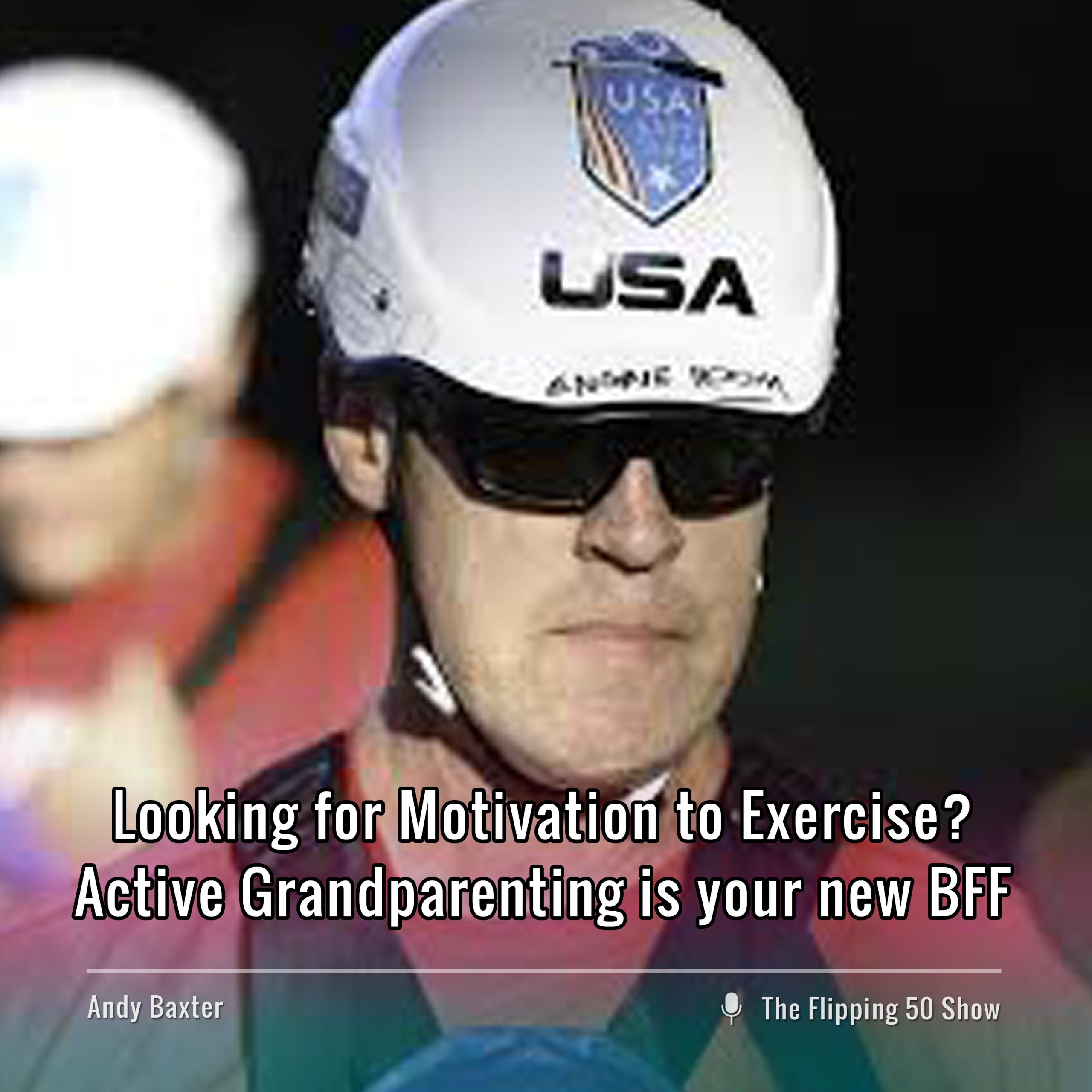
Andy Baxter is a Medical Exercise Specialist, inventor, author, and former Olympic Trials rower with nearly four decades of experience in elite sport, clinical rehabilitation, and healthy aging. He is the designer of the FitSpan Protocol — a performance-based approach to fitness centered on functional power, movement quality, and long-term adherence — and the author of Racing Yesterday (his account of training for the US Olympic Trials after age 40) and The Exercise Prescription (on the medicinal benefits of exercise). A World Champion and multi-time national champion rower, Andy has worked with everyone from elite athletes to individuals managing chronic conditions, orthopedic limitations, and age-related functional decline.
How The Fitness Industry Has Failed Women Through Outdated Exercise Advice
Questions We Answer in This Episode:
- [00:01:45] You competed for the US Olympic team after the age of 40 — what did that experience teach you about aging and performance?
- [00:06:45] Why do you believe most fitness programs are poorly designed for women in their 40s, 50s, and 60s?
- [00:11:26] What are the most common mistakes women make when trying to get fit after 40?
- [00:13:40] What is the FitSpan Protocol and how does it differ from conventional fitness approaches?
- [00:34:45] What does “functional power” mean — and why does it matter more than intensity as we age?
- [00:56:10] What is one thing women can do this week to train smarter, not harder?
Why Most Fitness Advice Stops Working in Midlife
- Traditional fitness was made for 20s-30s and athletic performance—not for women in menopause.
- As women age, exercise should shift from chasing calorie burn to preserving muscle, strength, mobility, and independence.
- Age does not define athletic performance—training quality does.
Fitness Needs to Become More Personalized
- Cookie-cutter workouts fail because they ignore health history, recovery capacity, hormones, injuries, and lifestyle.
- The goal isn’t simply exercising harder—it’s matching the right stimulus to the individual.
- Effective programs account for:
- previous injuries
- movement limitations
- stress levels
- recovery ability
- long-term health goals
The Fitness Industry Rewards Fatigue Instead of Results
- More soreness is not evidence of a better workout.
- Progress comes from consistently applying the appropriate training dose—not constantly increasing intensity.
- Recovery is part of training rather than something that happens afterward.
Smarter Training Matters After The Fitness Industry Has Failed Women
The Biggest Problem: Chasing Calories Instead of Function
- Calorie-burning workouts often sacrifice movement quality and long-term strength.
- Functional capacity becomes increasingly valuable with age.
- Fitness should improve daily living by making it easier to:
- climb stairs
- carry groceries
- get up from the floor
- prevent falls
- maintain independence
Strength Is the Foundation of Healthy Aging
- Muscle is one of the strongest predictors of healthy aging.
- Strength training supports:
- bone health
- metabolic health
- insulin sensitivity
- balance
- longevity
- confidence
- Women should prioritize preserving muscle before significant age-related decline occurs.
- Building strength is a long-term investment that pays later in life.
Power Training Matters More Than You Think
- Power—the ability to produce force quickly—declines faster than strength with aging.
- Losing power affects everyday activities like:
- catching yourself from a fall
- climbing stairs
- standing from a chair
- reacting to loss of balance
- Safe power training can dramatically improve functional independence.
Understanding Muscle Quality vs Muscle Size
- One of the biggest misconceptions discussed is that bigger muscles automatically mean stronger muscles.
- Important distinctions include:
- Muscle size and muscle strength are not identical.
- High-repetition training primarily increases muscle volume through cellular fluid.
- Heavy resistance and power-focused training improve muscle density and contractile strength.
- Dense, functional muscle is more valuable for longevity than simply increasing muscle size.
- Heavy lifting has benefits but also requires proper progression and coaching, especially for midlife women.
- The safest approach is progressive overload with appropriate technique and individualized programming.
Connect with Andy:
- Website – Fit Span
- YouTube Fit Span
- X – @fitspanstudios
- LinkedIn – Fit Span
Muscle Matters More Than Ever Because The Fitness Industry Has Failed Women
Other Episodes You Might Like:
- Previous Episode – 3 Workout Studies Every Woman Over 50 Needs to Know
- Next Episode – What I Would Do to Boost Fat Burning Over 40, 50 or 60 (I’m 62)
- More Like This:
Resources:
- Not sure you’re doing what is best for you right now? Get a 90-Minute Ultimate Consultation with Debra. Together, you formulate the actual plan that will work for you!
- Get ready to lift, tone, and turn heads with the The Ultimate Glute Challenge.